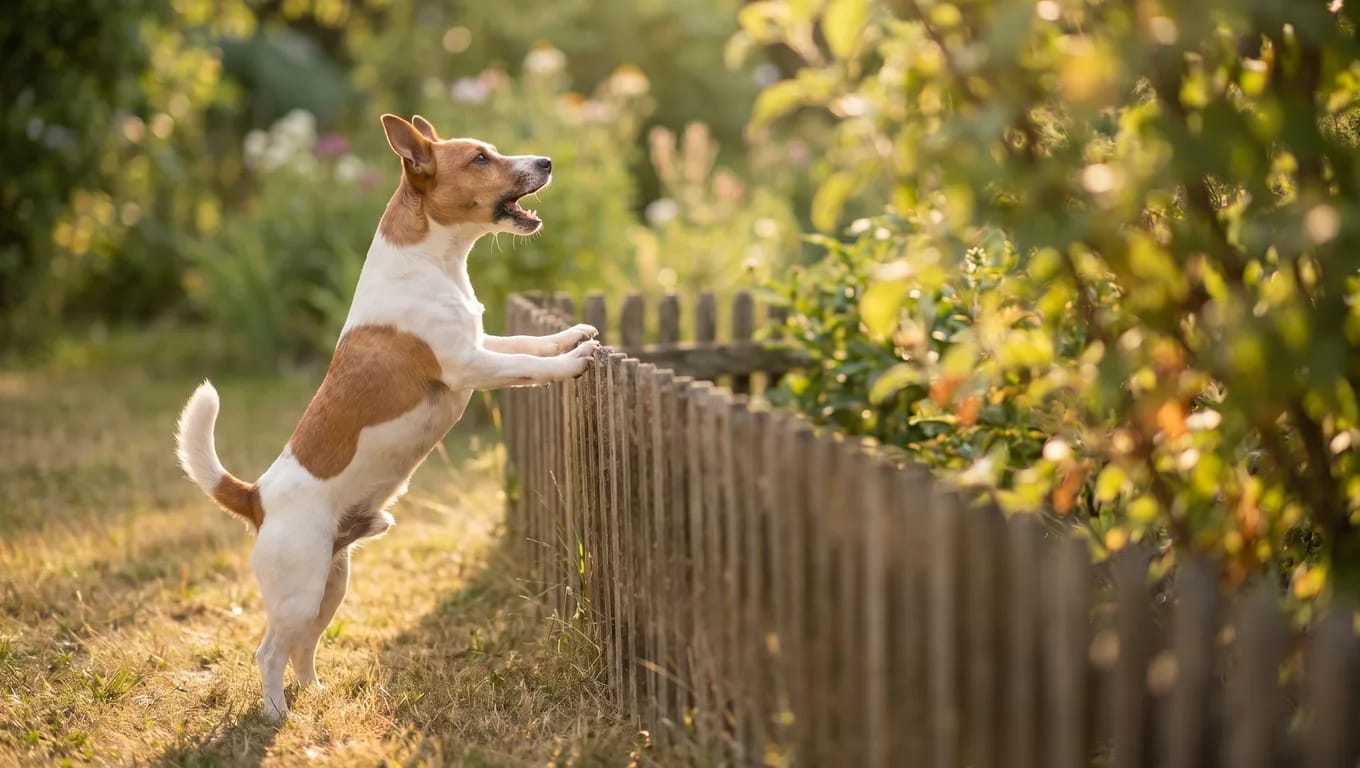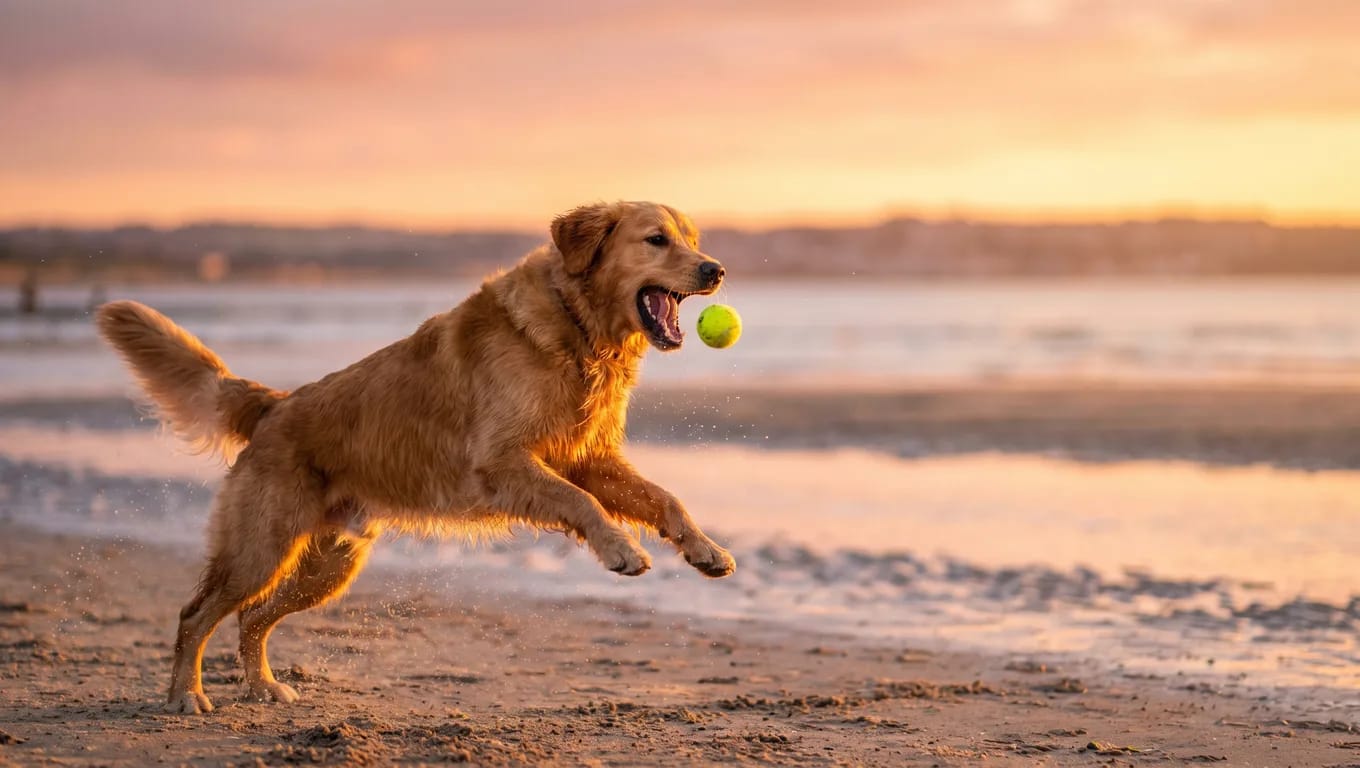
It is pouring outside, the temperature has dropped below freezing, or the pavement is hot enough to fry an egg. Your dog does not care about any of that. It is standing at the door with a toy in its mouth, practically vibrating, looking at you like the weather is a problem you are personally refusing to fix. Skip that walk and you both know how the evening goes: chewed slippers, a dog that paces and whines, and the slow reminder that an under-exercised dog always finds its own entertainment, and you will not enjoy what it picks.
The good news is that you do not need a dry, mild day or even a backyard to wear your dog out. This guide covers how to exercise your dog indoors when going out is not an option, how much exercise your dog actually needs, and how to keep moving safely when it is freezing in winter or dangerously hot in summer.
How Much Exercise Does My Dog Need?
Before we get to the where and how, start with the how much. The honest answer to how much exercise does my dog need is that it depends on three things: age, breed, and the individual dog in front of you. A retired Bulldog and a two-year-old Border Collie have wildly different needs, and treating them the same is how owners end up with either an exhausted senior or a Collie tearing the house apart.
As a rough starting point for a healthy adult dog:
| Dog type | Rough daily exercise | Notes |
|---|---|---|
| Low-energy or brachycephalic breeds | 30-45 minutes | Flat-faced breeds overheat fast; keep it gentle |
| Average companion dogs | 45-90 minutes | Most family dogs land here |
| High-energy and working breeds | 2 hours or more | Collies, spaniels, huskies, many terriers |
| Puppies | Little and often | Short bursts, not forced distance |
| Senior dogs | Shorter, gentler sessions | Mobility matters more than mileage |
A few principles matter more than any exact number. Mental work counts as exercise, and it tires a dog faster than you would expect: ten minutes of sniffing or problem-solving can settle a dog more deeply than a half-hour plod around the block. Two shorter sessions usually beat one long one. And the real measure is the dog: a well-exercised dog is content to settle and rest, while one that paces, chews, barks, or cannot switch off is telling you it needs more, in body, brain, or both.
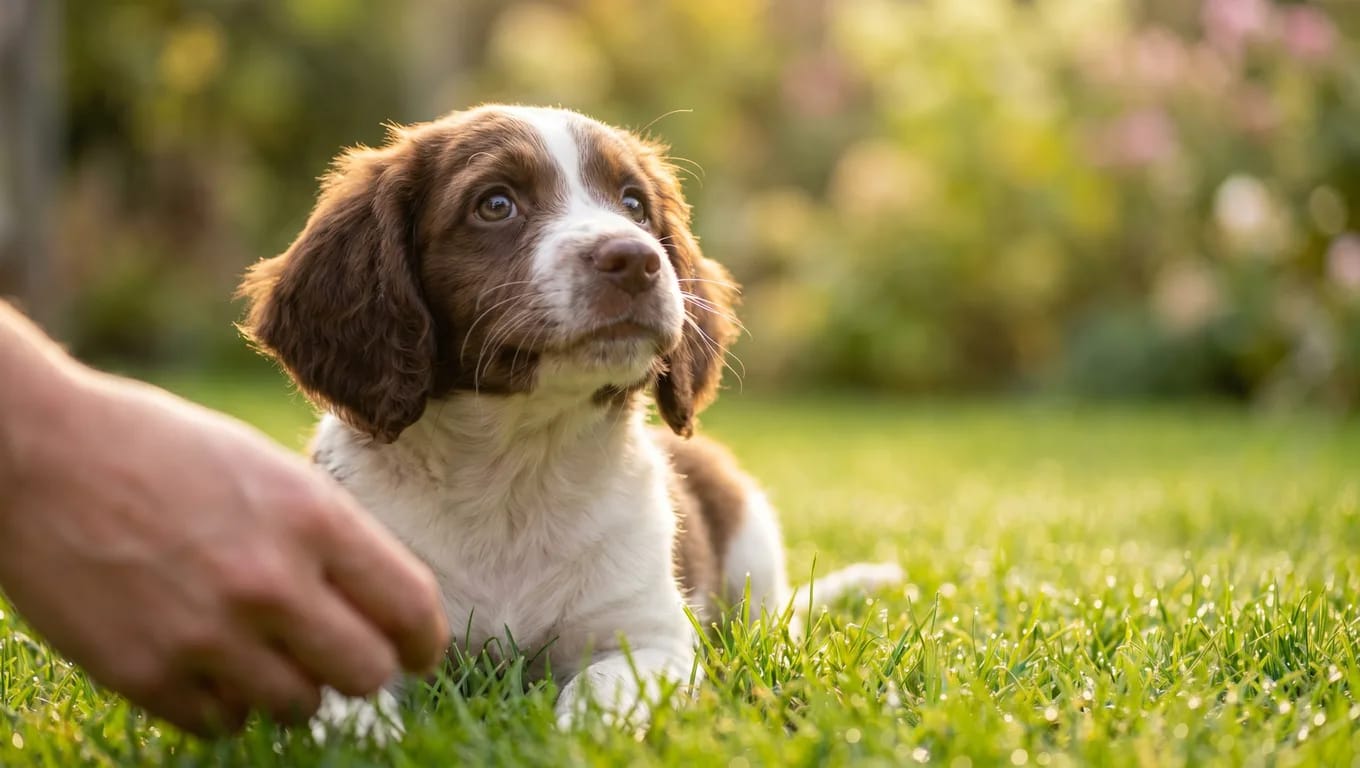
Puppies follow their own rules. A common guideline is roughly five minutes of formal exercise per month of age, once or twice a day, so a four-month-old puppy gets around twenty minutes at a time. Their joints and growth plates are still soft, so free play and sniffing are far safer than forced jogging or long hikes. When in doubt, let a puppy set its own pace and rest when it wants to.
How to Exercise Your Dog Indoors
When the weather shuts the door on a normal walk, the living room becomes your gym. The trick to how to exercise your dog indoors is to lean on your dog's brain as much as its legs, because a tired mind buys you the same calm evening as tired muscles, without needing a field. Here are the ideas that actually work inside four walls.
Nose games and scent work
A dog's nose is its most powerful tool, and using it is genuinely exhausting in the best way. Scatter a handful of kibble across a towel or snuffle mat and let your dog hunt, hide treats around the room and send your dog to "find it," or tuck a favorite toy behind furniture and build a proper search. Ten or fifteen minutes of concentrated sniffing leaves most dogs ready for a long nap, and it works for every age and fitness level.
Stairs, tug, and fetch down a hallway
If you have a safe staircase and a structurally sound adult dog, a few controlled trips up and down build real cardio fast. A long hallway turns into a fetch lane. A game of tug, played with rules so your dog brings the toy back and releases on cue, delivers a surprising physical and mental workout in a small space.
Skip the stairs for puppies, seniors, and dogs with any joint or back issues, and for long-backed breeds like Dachshunds. Repeated hard impact on growing or vulnerable joints does lasting harm. Keep indoor fetch on carpet or rugs rather than slick floors, where a sliding stop can tear a muscle or worse.
Training as a workout
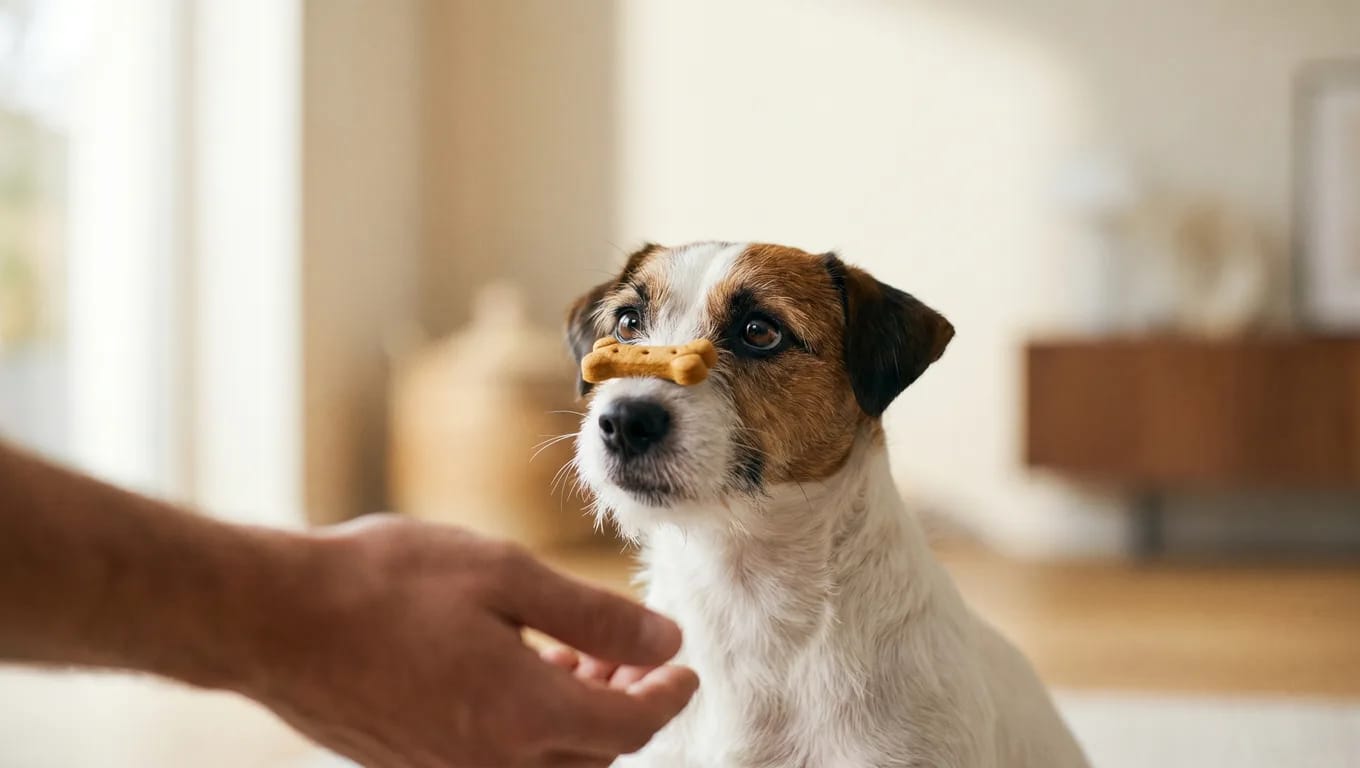
Short training sessions are one of the most underrated forms of indoor exercise. Teaching a new trick, polishing a recall in the kitchen, or running through sits, downs, and stands in quick succession makes a dog think hard, and thinking is tiring. Five focused minutes a few times a day adds up to a calmer, smarter, better-behaved dog.
Food puzzles and DIY enrichment
Make your dog work for its dinner. Stuff a rubber toy with wet food and freeze it, use a slow-feeder or puzzle feeder, or roll some kibble inside an old towel for your dog to unpack. This kind of enrichment turns a thirty-second meal into a twenty-minute project and scratches the problem-solving itch that bored dogs otherwise aim at your furniture.
Indoor obstacle fun
You can build a tiny, low-impact agility setup from things you already own. A broom balanced on two low boxes becomes something to step over, a blanket draped over two chairs becomes a tunnel, and a cushion on the floor becomes a target to stand on. Keep everything low and stable, reward generously, and you have a confidence-building game that doubles as gentle movement.
How to Exercise Your Dog in Winter
Cold, wet, dark winters test everyone's commitment to the daily walk. But most dogs still want and need to get out, and learning how to exercise your dog in winter is mostly about adjusting rather than canceling. With a few sensible precautions, the cold months can be some of the best for active dogs.
Watch for cold and the hidden hazards
Tolerance for cold varies enormously. A thick-coated Husky or Malamute is in its element near freezing, while a thin-coated or small dog, a puppy, or a senior feels it quickly. Watch for shivering, lifting paws off the ground, a hunched posture, or a sudden reluctance to keep going, and head home when you see them.
Two winter dangers are easy to miss:
- Antifreeze is sweet, irresistible, and lethal in tiny amounts. Keep dogs well clear of garage spills and puddles with a suspicious sheen, and call your vet immediately if you suspect any was licked.
- Road salt and grit can burn paw pads and upset the stomach if licked off. Rinse and dry your dog's feet after a salted walk, and consider a paw balm or boots.
Adjust the routine
Shorten and increase frequency on the bitterest days: two brisk fifteen-minute outings often beat one long, miserable trudge. A coat genuinely helps thin-coated, small, young, and old dogs hold their body heat. Dry your dog thoroughly when you get back, paying attention to paws and belly. And on the days the weather truly wins, fall back on the indoor games above without guilt.
How to Exercise Your Dog When It Is Too Hot
Summer flips the danger entirely. Heat kills dogs every year, and it does so fast, so knowing how to exercise your dog when it is too hot is less about creativity and more about restraint. Dogs cool themselves mainly by panting, which is far less efficient than human sweating, so they overheat far more easily than we do.
Time it right and check the ground
The single best heat strategy is timing. Walk in the early morning and late evening, and skip the middle of the day entirely during a heatwave. Before you set out, use the back of your hand on the pavement: if you cannot hold it there comfortably for seven seconds, it is too hot for paws and will blister them. Stick to grass and shade, and always carry water.
Learn the signs of heatstroke and treat them as an emergency: heavy frantic panting, thick drooling, bright red gums, wobbling or collapse, vomiting, or glazed eyes. Move your dog to shade, wet it with cool (not ice-cold) water, offer small sips to drink, and get to a vet immediately. Flat-faced breeds, overweight dogs, seniors, and puppies are at especially high risk. Never, ever leave a dog in a parked car, where temperatures climb to deadly levels within minutes even with the windows cracked.
Cool ways to burn energy
When it is too hot to walk, you have options. Many dogs love a paddling pool or a sprinkler in the shade. A frozen stuffed toy or homemade ice treats give a cool, long-lasting project. And of course, every indoor game in this guide works perfectly in an air-conditioned or shaded room, which is exactly where you and your dog should be at midday in July.
From Wearing Out to a Real Outlet: Dog Sports
Here is the pattern almost every owner of a high-energy dog eventually notices. You can throw the ball until your arm aches and still have a dog that wants more, because what these dogs crave is not just movement but a job, a purpose that engages body and brain at once. That is the moment a dog sport stops being a nice idea and becomes the missing piece.
Sports like agility, canicross, flyball, scent work, and disc take the energy you have been struggling to drain and channel it into something structured and deeply satisfying. They combine physical effort, mental focus, and the teamwork your dog is built for, and they do what the daily walk cannot: give a restless dog a genuine outlet and a relationship with you that grows in the process. Many owners arrive exhausted from managing a "too much" dog and leave with a partner who is finally, happily tired.
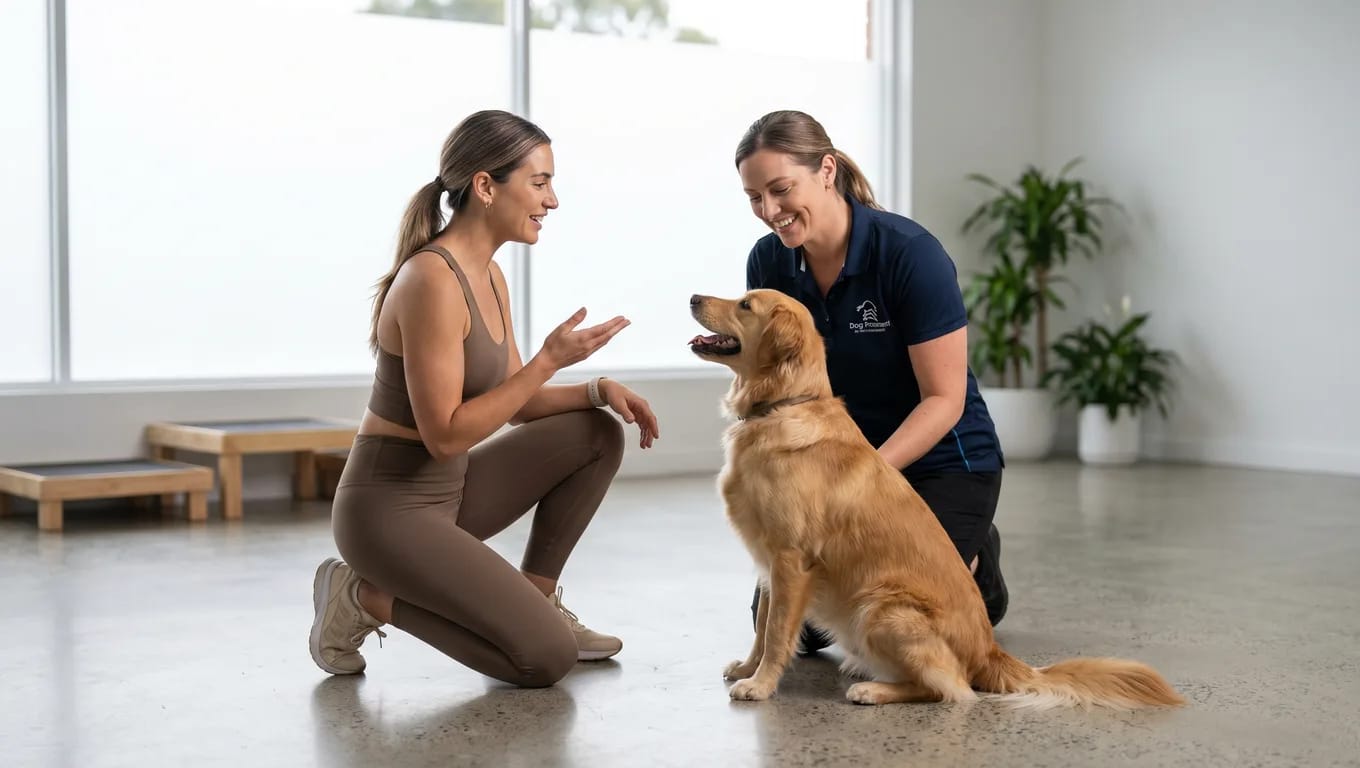
You can dabble at home, but the fastest and safest way in is a proper class, where an instructor can match the sport to your dog, keep the movement safe, and turn raw energy into real skill.
Tired of fighting the weather and a dog with energy to spare? Give it a real outlet. Find and book a dog sports or canine fitness class near you on Canlyo, get matched with a trainer who suits your dog's energy and breed, and turn those restless evenings into a sport you will both look forward to.
The weather will never fully cooperate, and that is fine. A dog that gets enough of the right exercise, indoors on the worst days, sensibly bundled up in winter, and kept cool and safe in summer, is a dog that settles instead of pacing, rests instead of chewing, and greets the next rainy morning calm rather than climbing the walls. Build a plan for every kind of day, lean on your dog's nose and brain as much as its legs, and you will rarely lose an evening to the forecast again.