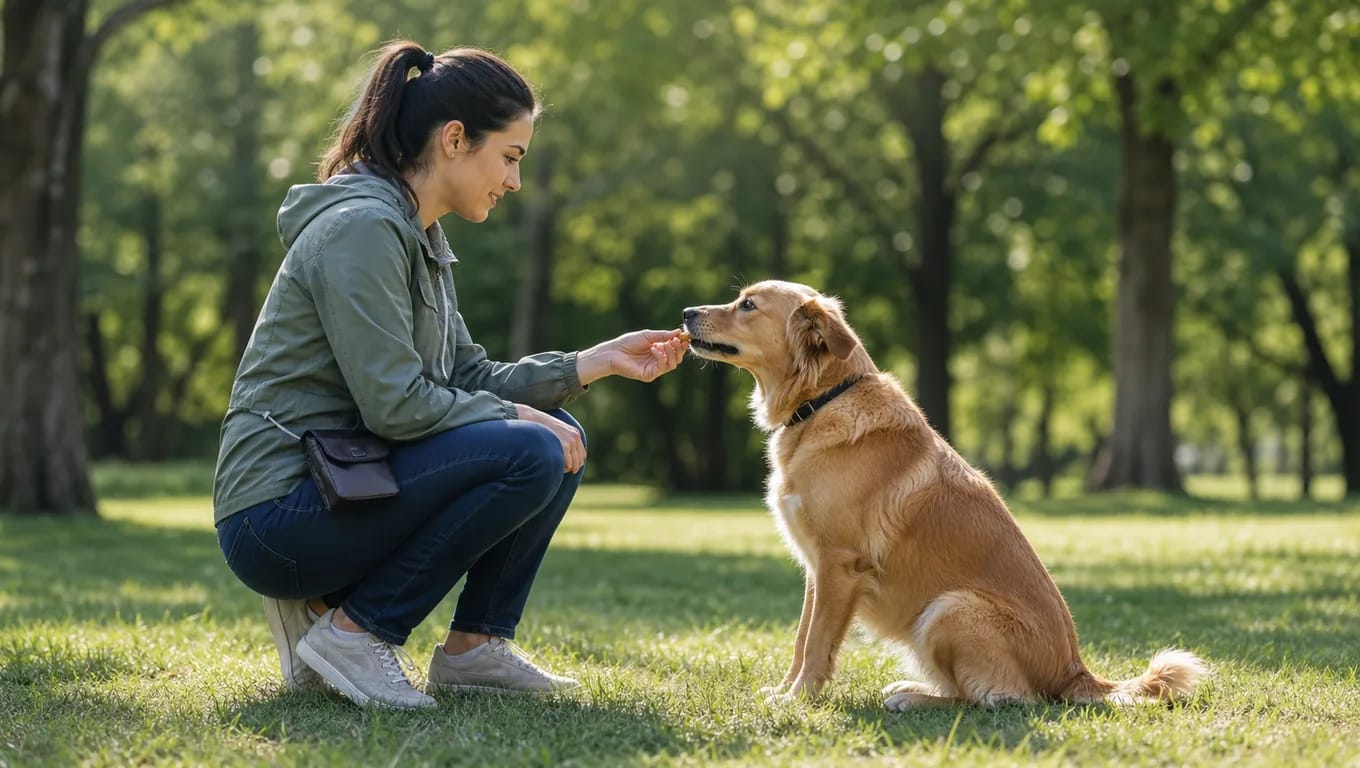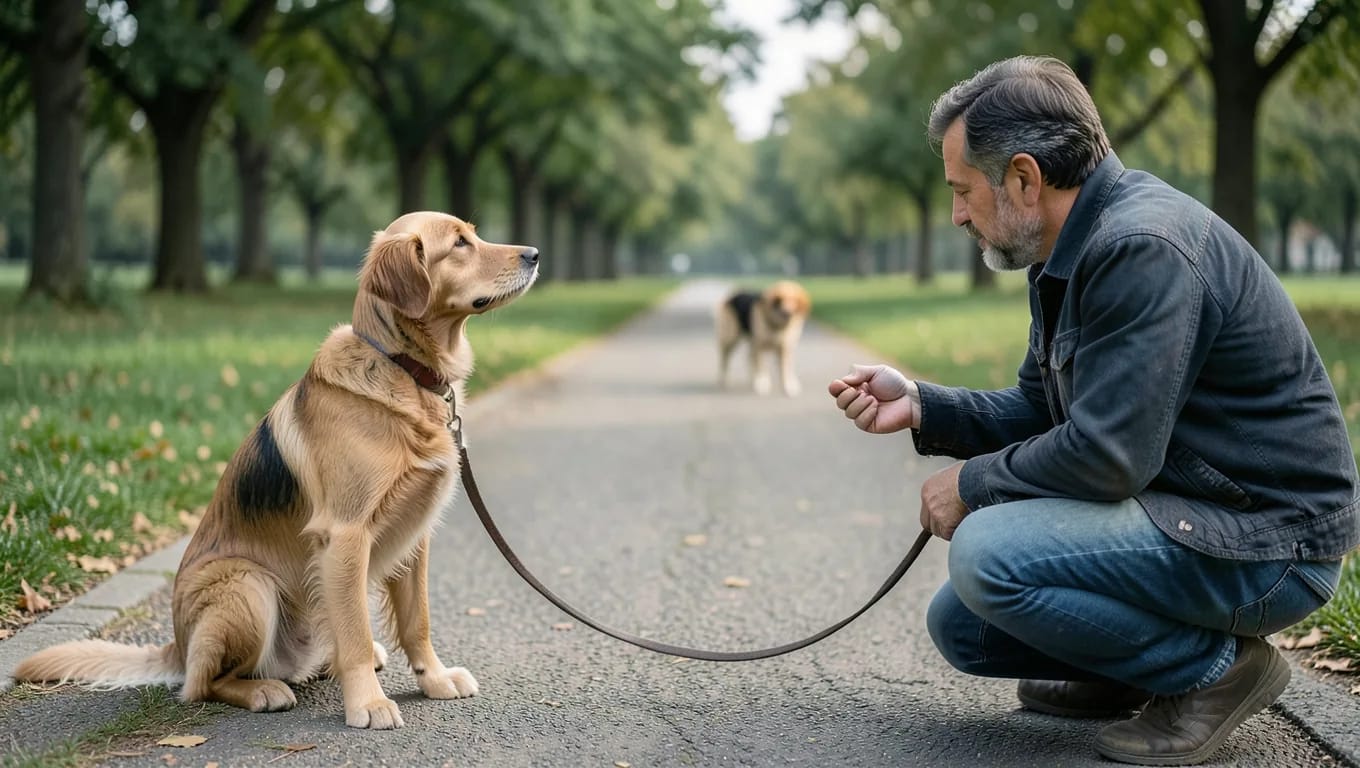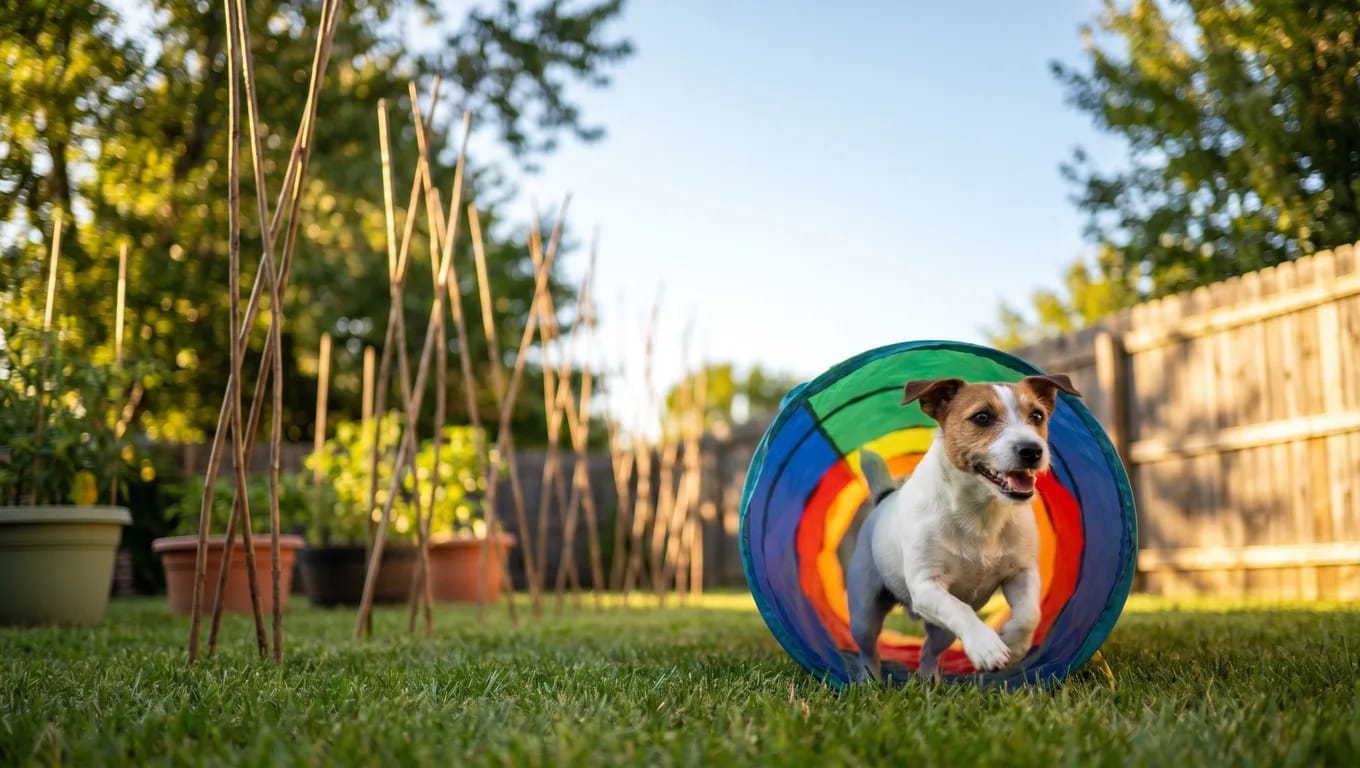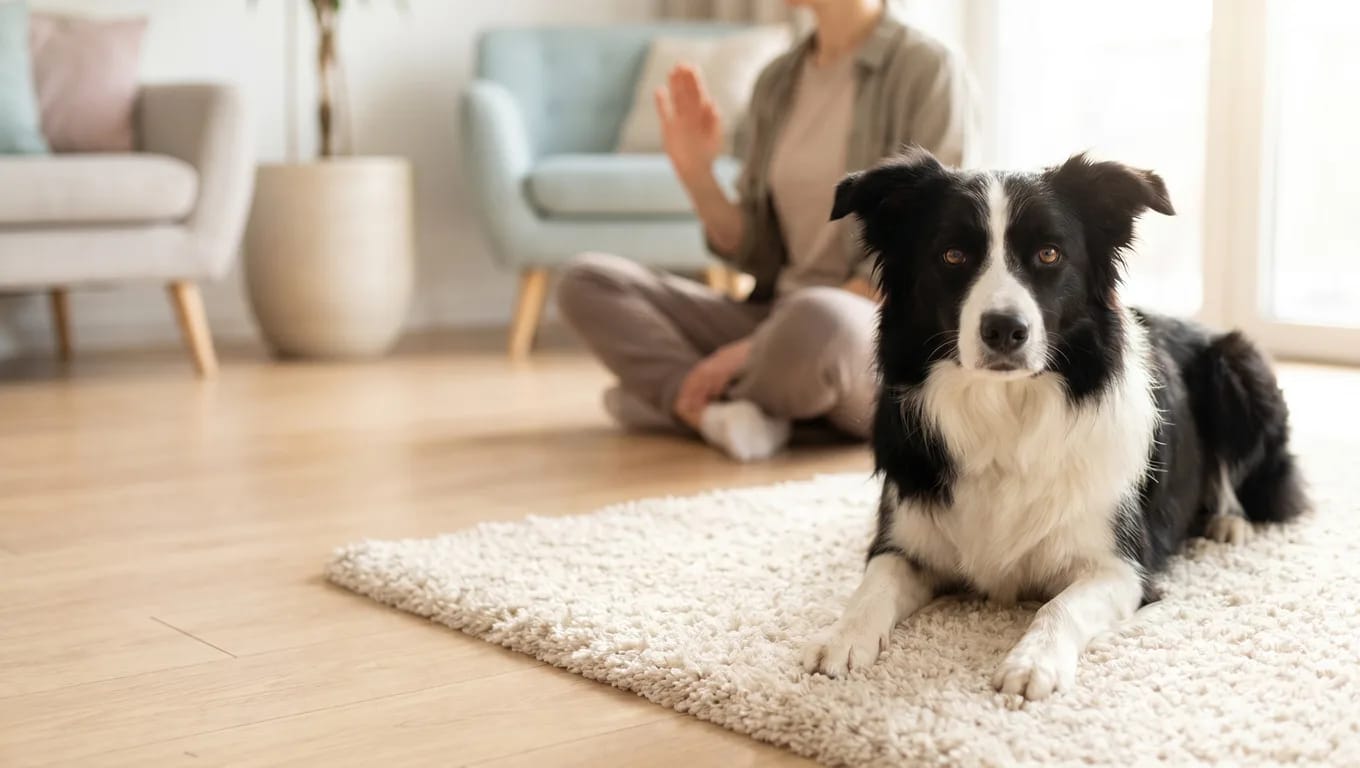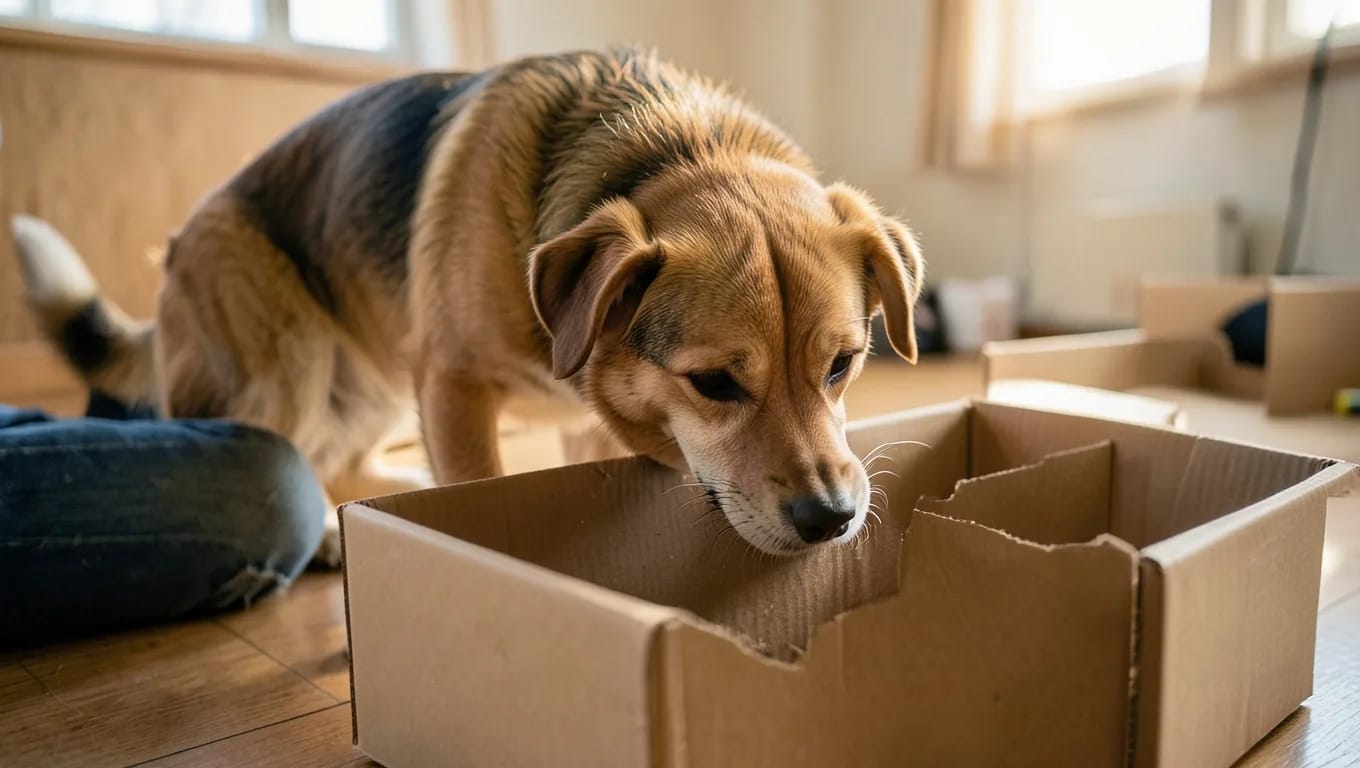
There is a simple kind of magic in watching a dog use its nose. Drop a few treats in the grass, say "find it," and a switch flips: the head goes down, the tail comes up, and a focused, happy animal goes to work. That is the essence of scent work, and it might be the single best activity you are not yet doing with your dog. It tires them out, builds confidence, suits any breed or age, and needs almost no equipment. This beginner's guide explains what nose work is and shows you how to start scent training at home this week.
What is scent work for dogs?
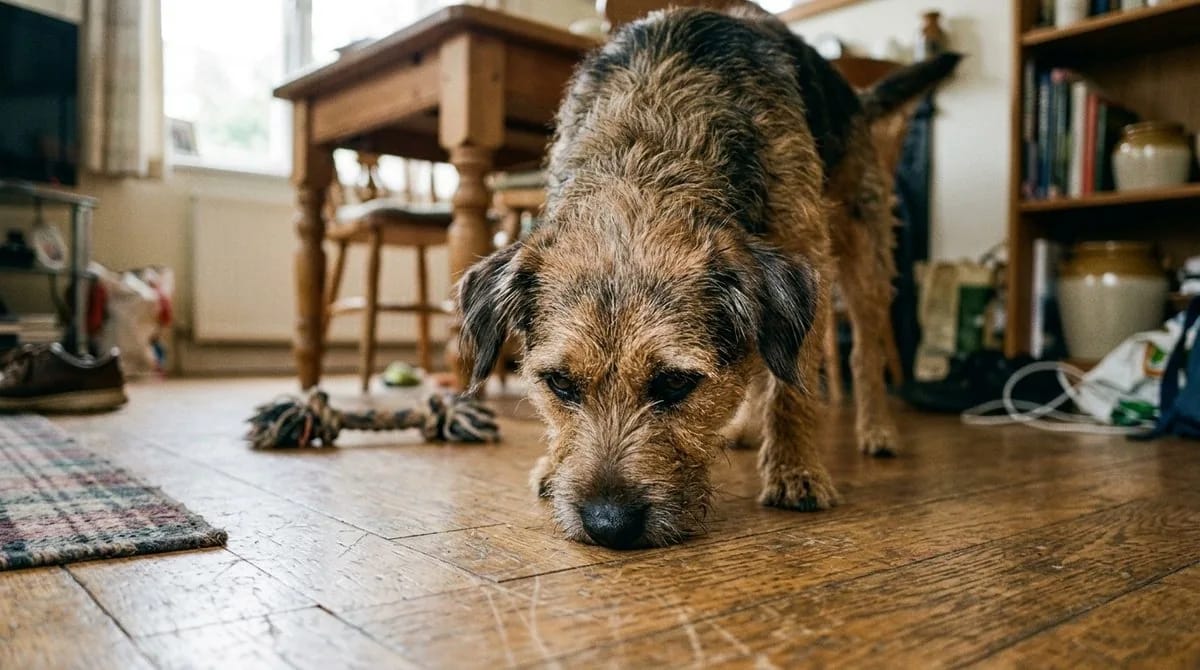
Scent work, also called nose work, is a sport and enrichment activity that channels a dog's natural ability to detect odor. In its simplest form, your dog searches for hidden food. In its competitive form, your dog learns to find a specific target scent and tell you where it is.
The activity grew out of professional detection work, the same skills police and conservation dogs use to find narcotics, explosives, or wildlife. Pet-friendly versions are now run by organizations like the National Association of Canine Scent Work (NACSW) and the American Kennel Club (AKC), so any dog can enjoy the thrill of the search without ever leaving the world of treats and toys.
Why scent work is perfect for almost any dog
Few activities give back as much for as little setup. Scent work training for dogs has earned a devoted following for good reasons.
- It is genuinely tiring. Sniffing is hard mental work. Ten or fifteen minutes of searching can leave a dog more satisfied and settled than a long walk.
- Any dog can play. Young or old, tiny or giant, athletic or recovering from injury, every dog has a nose and the instinct to use it.
- It builds confidence. Because the dog leads and succeeds on its own, scent work is wonderful for shy, anxious, or reactive dogs. Many trainers use it specifically to help nervous dogs feel capable.
- It costs almost nothing. You can start today with treats and a few cardboard boxes.
Scent work is one of the rare activities where a grey muzzle and creaky joints do not mean "game over." It is gentle on the body and easy to adapt, which makes it ideal for senior dogs and those on activity restriction. The work is mental, so the body sets the pace.
A quick word on your dog's incredible nose
To appreciate why dogs love this so much, consider the hardware. A human has around six million scent receptors. A dog has up to three hundred million, and the part of the brain devoted to analyzing smell is proportionally about forty times larger than ours. Your dog quite literally experiences the world as a landscape of scent. Scent work simply gives that superpower a job.
How to start scent training at home
The whole approach is built on one rule: make it easy, make it fun, and let your dog win early and often. Here is how to start scent work with your dog from scratch.
1Play the "find it" game
With your dog watching, toss three or four smelly treats onto the floor and say "find it" in a happy voice. Let them hoover them up. Repeat a few times. You are simply pairing the cue with the act of searching and eating. Keep sessions to five or ten minutes so your dog stays eager.
2Hide the treats out of sight
Once your dog gets the game, put them behind a door or have someone hold them while you place treats around the room, behind a chair leg, under the edge of a rug, on a low shelf. Release your dog with "find it" and cheer them on. Resist the urge to point. Let them figure it out.
3Bring in boxes and containers
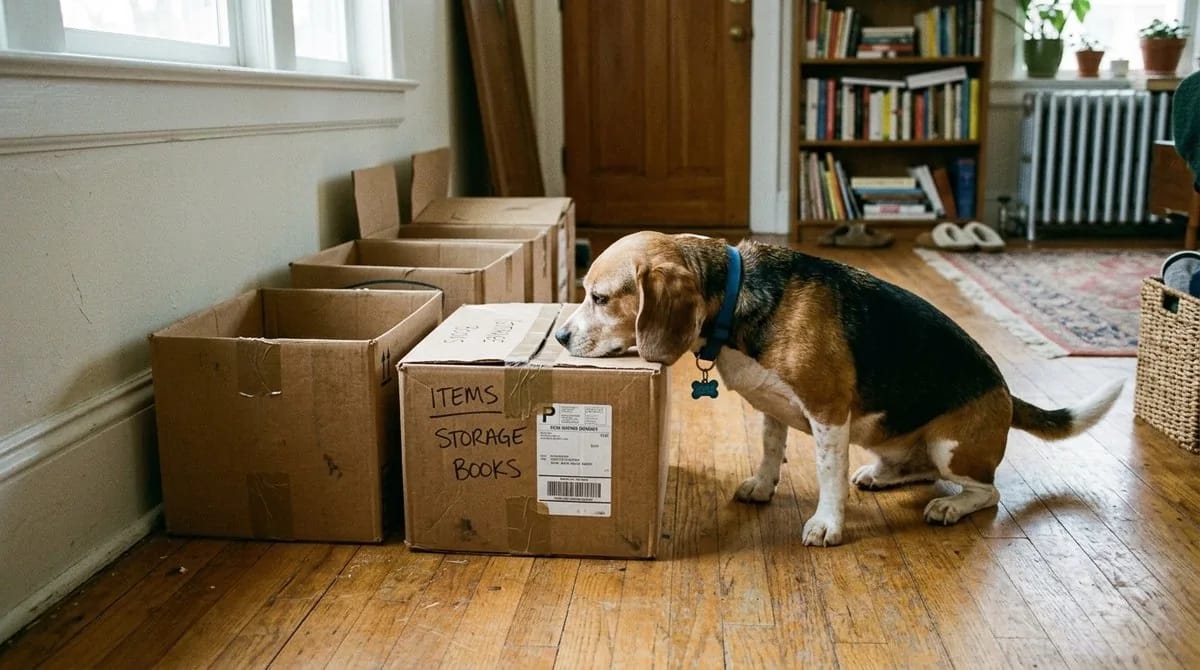
Set out a few open cardboard boxes and hide treats in one or two of them. Now your dog has to check each "station" and tell you where the food is. This is the foundation of competition-style searches, where dogs learn to indicate a specific hide. Make it harder gradually by adding boxes and better hiding spots.
4Introduce a real target scent
When food searches feel easy, you can teach your dog to hunt for a scent instead of the treat itself, then reward the find. Start with a safe, mild odor on a cotton ball: a dab of vanilla extract, a trace of cinnamon, or a single drop of an essential oil such as clove or aniseed (the odors used in formal nose work are birch, anise, and clove). Hide the scented cotton ball and reward generously the instant your dog noses it.
Some essential oils are toxic to dogs, including tea tree oil. Use the tiniest amount, keep the source out of reach so your dog cannot ingest it, and check that any oil is dog-safe before you start. When in doubt, stick to a food scent.
What you need to get started
Almost nothing, which is part of the charm.
- Small, smelly, high-value treats
- A few cardboard boxes or containers
- A cotton ball and a dog-safe scent, once you reach Step 4
- A hungry, willing dog
Taking it further: classes and competition
Once your dog is hooked, a class opens up a whole new level. An instructor can teach a clean indication (that unmistakable "I found it" signal), introduce the official odors correctly, and design searches across new environments. Competitive nose work is organized into clear stages, so you always know what to work toward:
- NACSW runs levels NW1, NW2, and NW3, with a strong focus on building confidence and instinct.
- AKC Scent Work uses tiers from Novice through Excellent and Master, plus a Handler Discrimination class.
- Trials test four kinds of searches: containers (boxes and bags), interiors (rooms), exteriors (outdoors, where wind moves the scent), and vehicles.
Before entering anything, generalize the skill by searching in new places, parks, garages, a friend's house, and look for low-pressure "fun matches" to settle the nerves of competition.
Nose work has spread well beyond the United States, and national clubs elsewhere often use their own target scents and competition levels, so check what your local club follows before you sign up.
Ready to turn the "find it" game into a real skill? You can find and book a scent work or nose work class near you on Canlyo, and let your dog show you just what that nose can do.
The beauty of scent work is how quickly it rewards both of you. Within a single session you will see your dog light up, and within a week you will have a calmer, more confident companion who cannot wait for the boxes to come out. All it takes is a handful of treats and permission to follow that remarkable nose.