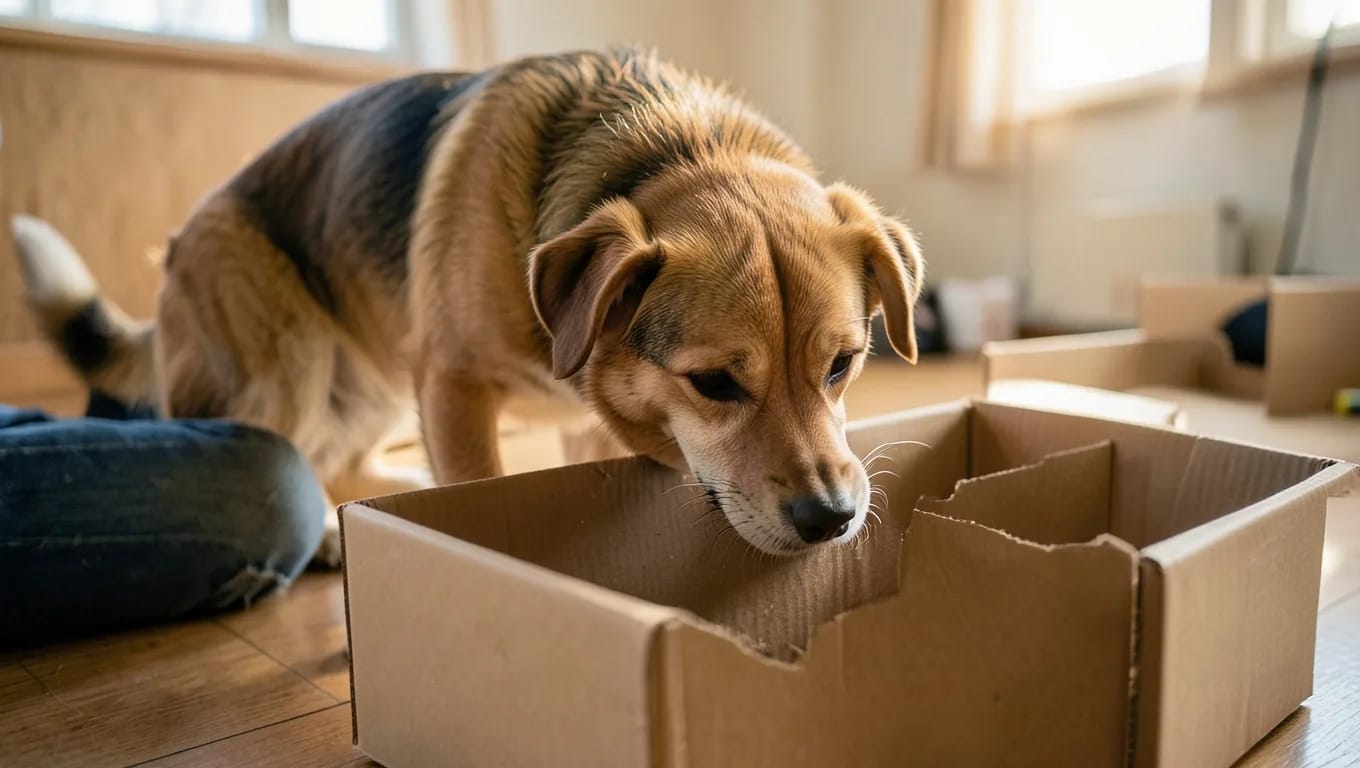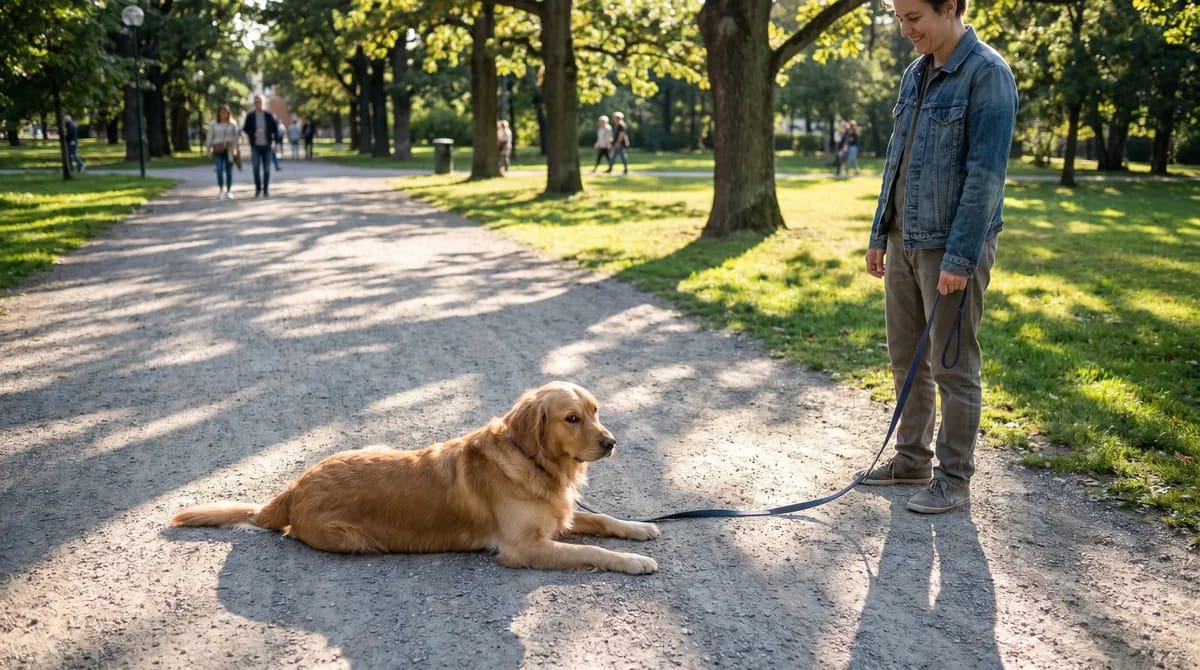
You call your dog, you even wave their favorite treat, and they look the other way like they have never met you. Living with a dog that seems to have a mind of its own can make ordinary moments feel like a quiet tug-of-war. Here is the good news: what looks like a "bad attitude" is almost never your dog being difficult on purpose. Once you understand why dogs tune us out, getting a so-called stubborn dog to listen becomes far less about control and far more about teamwork.
Why "stubborn" is usually the wrong word
Owners reach for the word "stubborn" because it is quick and it fits the feeling. But ask a behaviorist and they will tell you it is not a real diagnosis. What we label as stubbornness is usually a mix of independence, low motivation, and crossed wires in how we communicate. Your dog is not plotting against you. They are simply following their own priorities, and right now those priorities are not lining up with yours.
The real reasons your dog ignores you
Before you can fix it, you need to know what is actually going on. A dog that "won't listen" is almost always dealing with one of these:
- Pain or a health issue. Sudden stubbornness is often a dog quietly saying something hurts. Joint pain, aging, or fading hearing can all look like disobedience when really the dog cannot do what you ask. A dog that suddenly stops listening should see a vet first.
- The reward is not worth it. Dogs are practical. They repeat what pays off. If a dry biscuit cannot compete with the smells of the park, your dog is not being defiant, just making a sensible deal. You need a better offer.
- Too many distractions. Fear, excitement, or a busy environment hijacks a dog's focus. Even a well-trained dog may choose to sniff a lamppost over sitting when the world is loud and exciting.
- Unclear or inconsistent cues. If "down" means lie down today but get off the sofa tomorrow, your dog is not ignoring you. They are confused. Mixed signals look a lot like defiance.
Are some breeds just more stubborn?
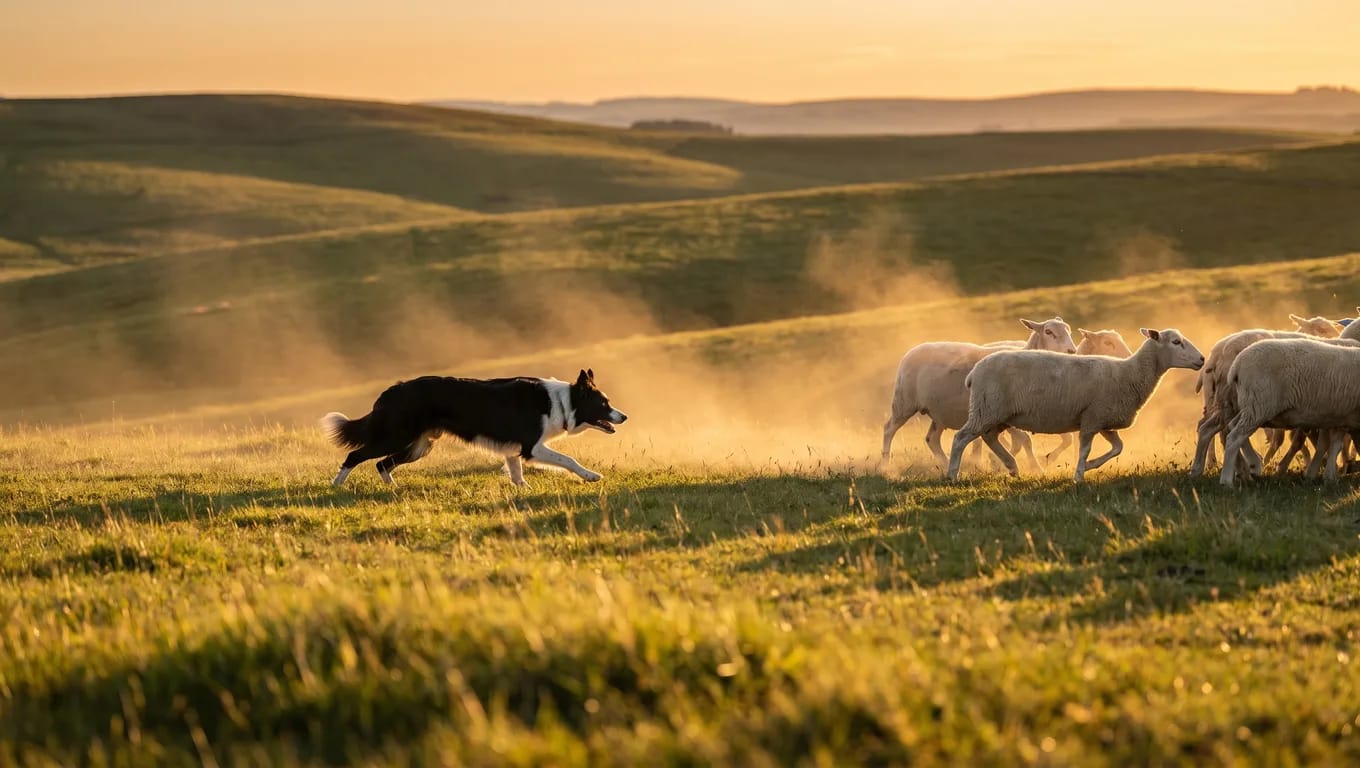
Sort of, but it is not really stubbornness. Terriers, hounds, and many guardian or sled breeds were bred to work at a distance from people, following their nose or their own judgment. That independence was the whole point, and it is still hardwired in. These dogs are not being difficult for fun, they are doing exactly what they were built to do. The trick is not to fight that independence but to make working with you the most rewarding option on the table.
How to train a stubborn dog, step by step
1Rule out pain first
If the stubbornness is new or sudden, book a vet check before anything else. It is unfair, and pointless, to train through a problem that is actually physical.
2Find a reward that truly motivates
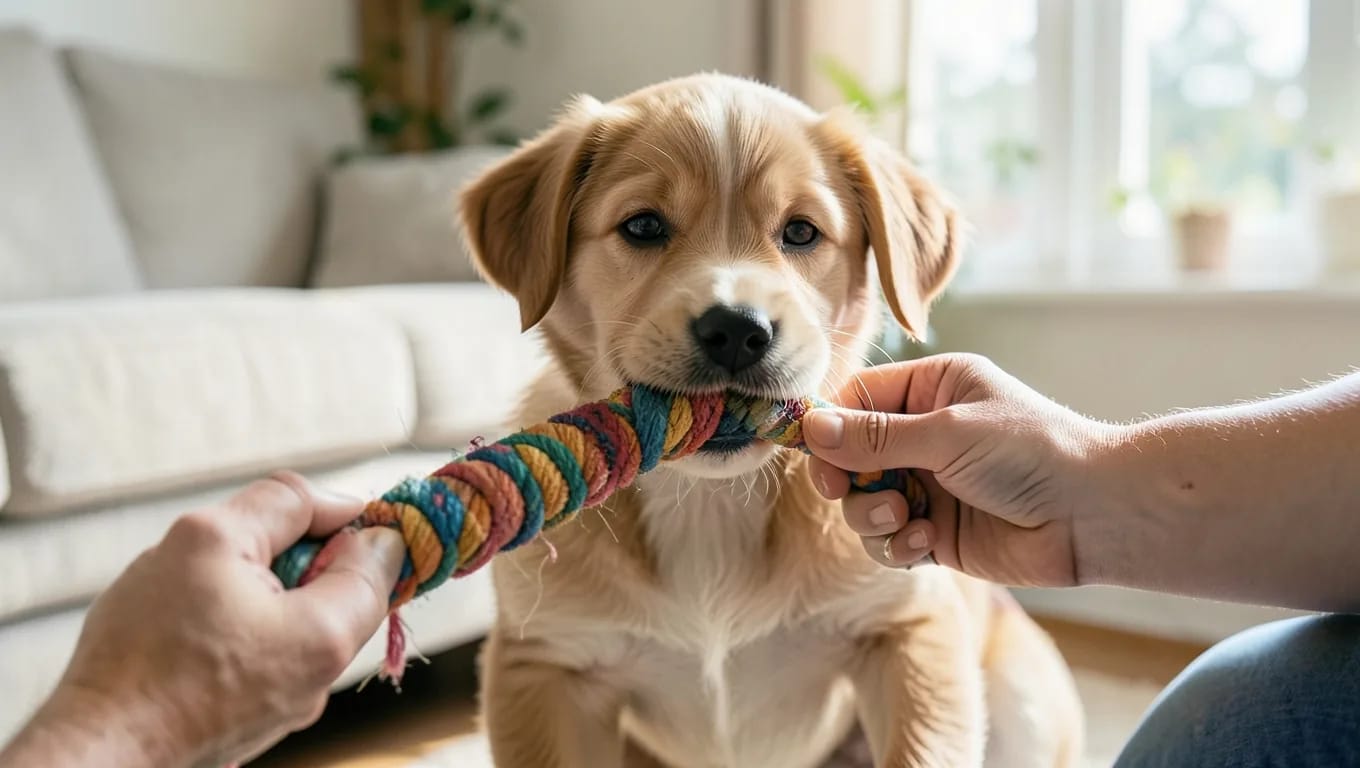
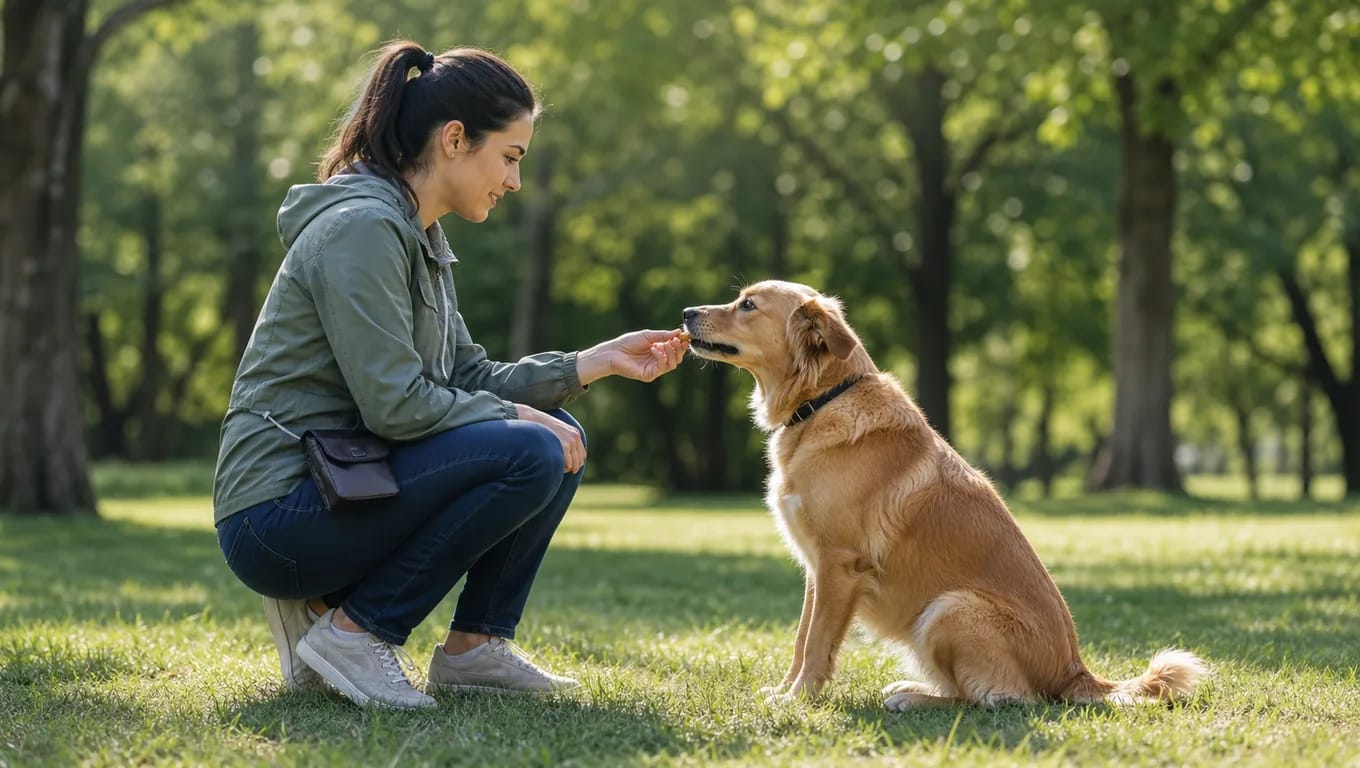
Forget what you think your dog should work for and test what they actually love. Small pieces of chicken, cheese, a favorite toy, an excited voice. In a distracting place, bring out your highest-value reward. Motivation is the whole game with an independent dog.
3Lower the difficulty, then build up
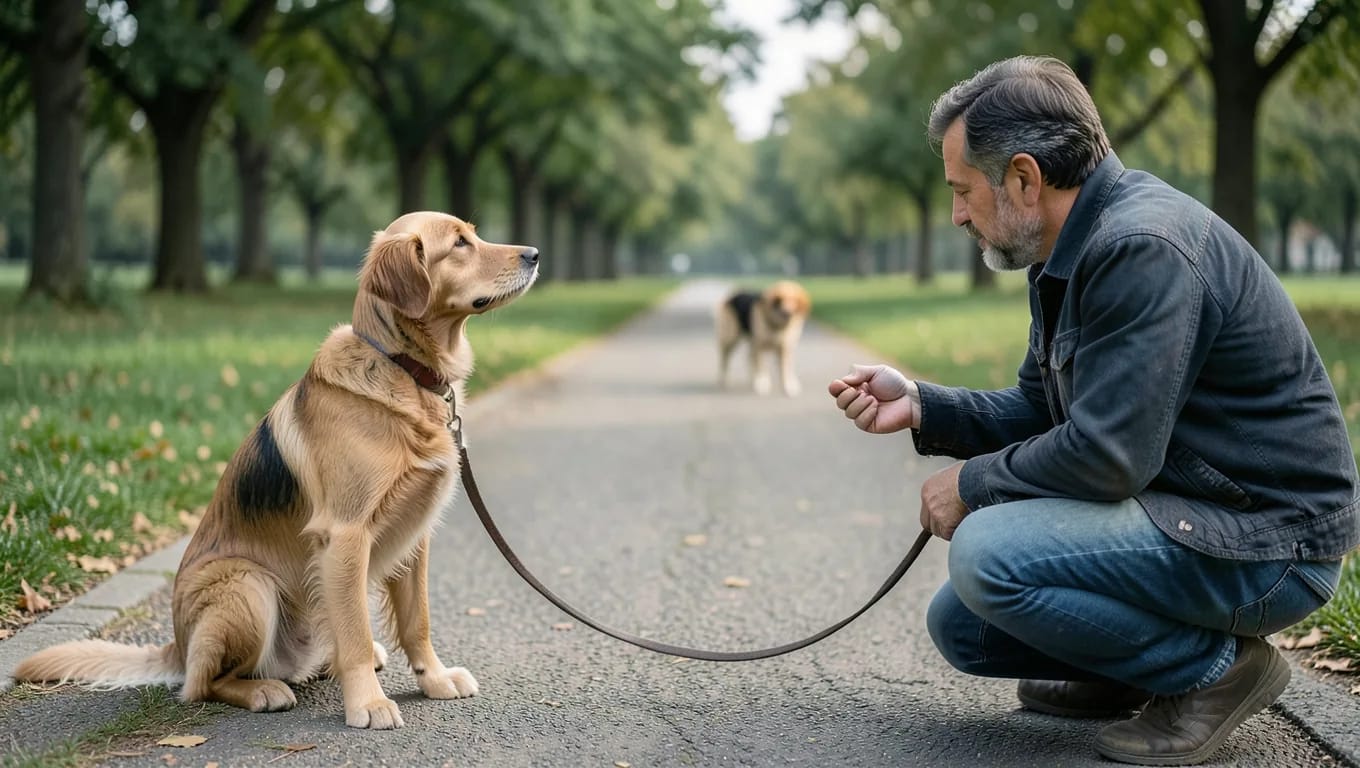
Start where your dog can succeed, like a quiet room at home, and only add distractions once a behavior is solid. Asking for focus in a busy park before you have it in the kitchen sets you both up to fail. A reliable recall is built this way, one small step at a time.
4Be clear and consistent
Pick one word for each behavior and use it the same way every time. Say it once and wait, rather than repeating "sit, sit, sit." Marking the exact moment your dog gets it right, with a clicker or a short "yes," removes the guesswork and speeds everything up.
5Keep sessions short and end on a win
Two or three minutes of focused practice beats a long, frustrating session. Always finish with something easy so your dog leaves wanting more. Reward-based training is the foundation here, just as it is for basic commands.
A "stubborn" dog and a frustrated owner often feed each other. The more we repeat a command and tense up, the more our dog tunes out. Slowing down, lowering the difficulty, and making it worth their while breaks that loop faster than any amount of insisting.
When to get help
If the stubbornness comes with fear, growling, or aggression, or if it appears suddenly, treat it as a signal rather than a personality flaw. Start with a vet to rule out pain, then work with a reward-based trainer or behaviorist. The same is true for a reactive or anxious dog, where pushing harder usually backfires.
Is my dog being stubborn or just distracted?
Almost always distracted, or unmotivated, rather than stubborn. A useful test: does your dog respond perfectly at home but "forget" everything outside? That is not defiance, it is a focus and motivation gap. Build the behavior in an easy setting, pay well, and add distractions slowly. The stubbornness tends to disappear once the dog can actually succeed.
Some dogs just learn faster with expert eyes on the problem. On Canlyo you can find and book classes with reward-based trainers near you, and turn the daily tug-of-war into teamwork.
A stubborn dog is rarely a defiant dog. They are independent, distracted, unmotivated, or quietly uncomfortable, and every one of those has a fix that does not involve force. Figure out what your dog is really telling you, make listening worth their while, and the dog that "never listens" usually turns out to be listening all along. They were just waiting for a better reason to say yes.