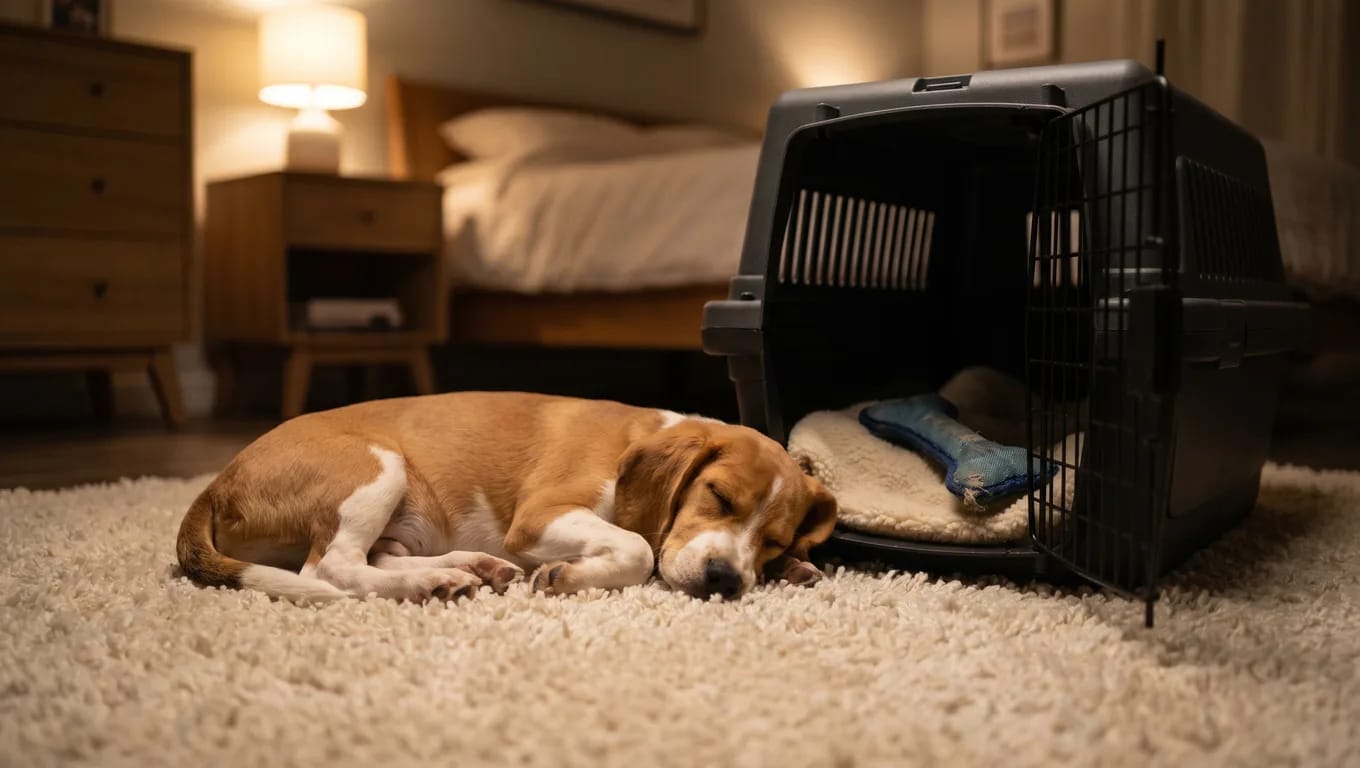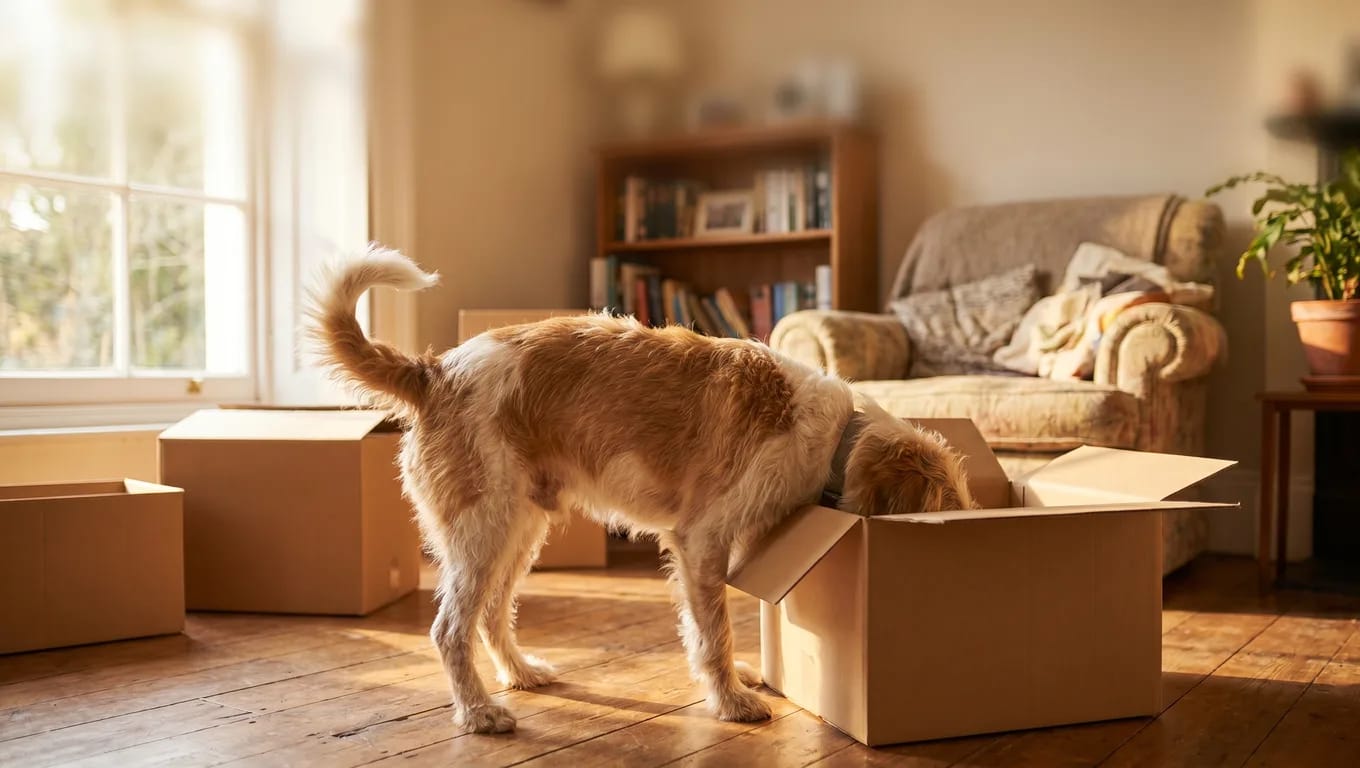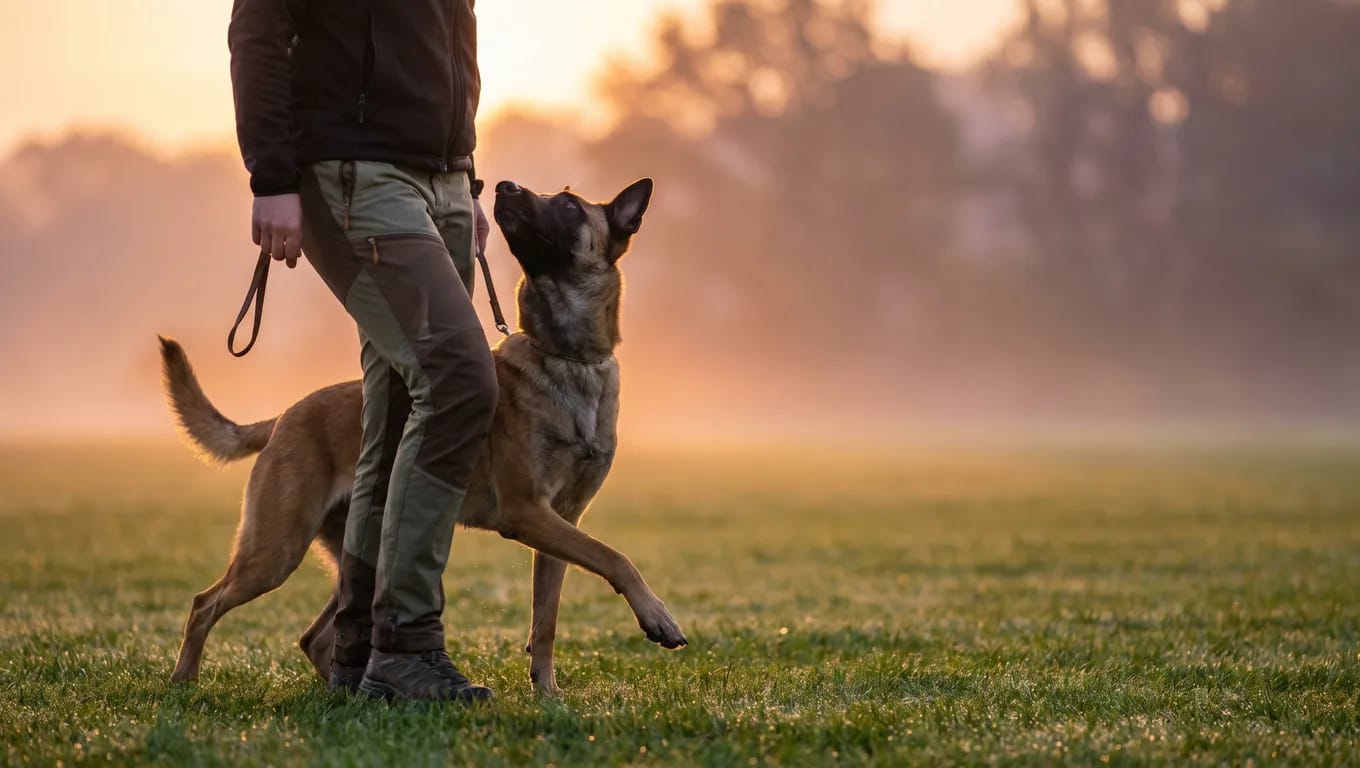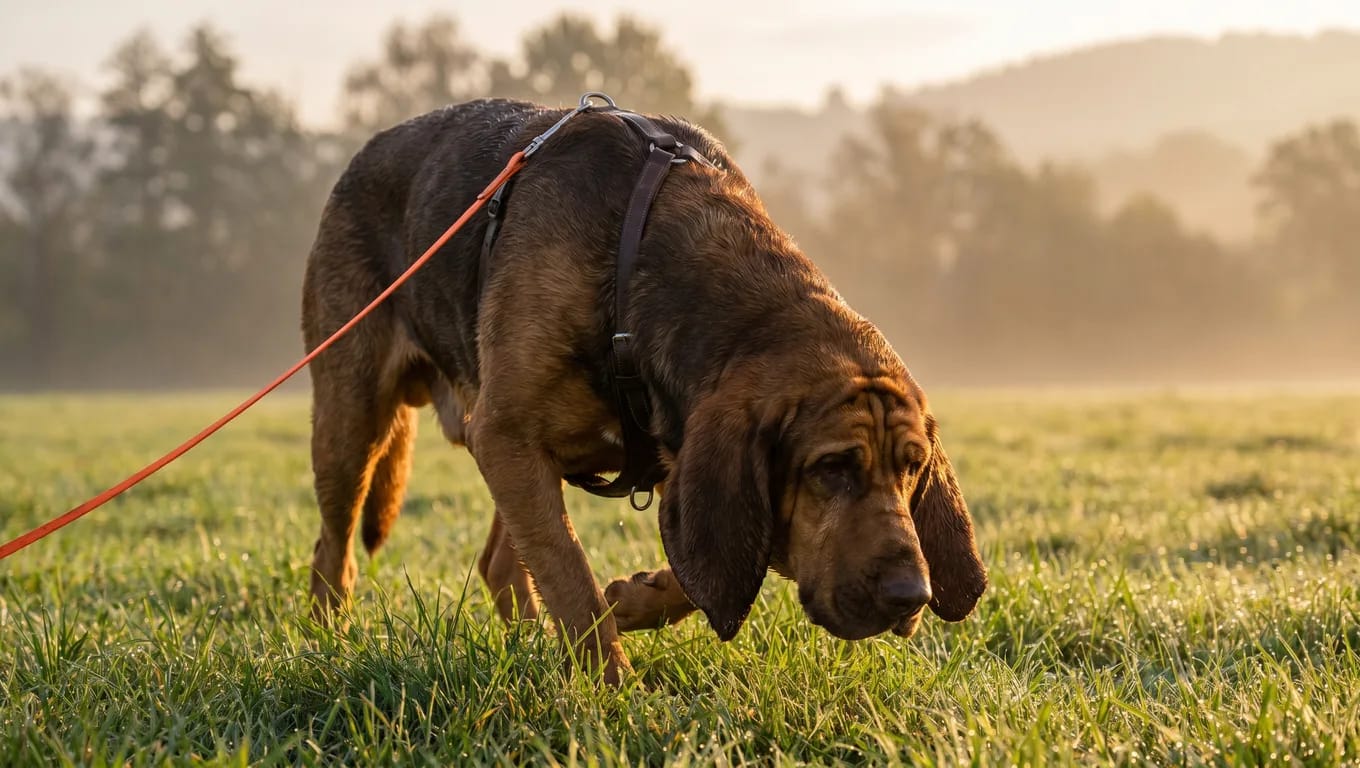
Your eight-week-old puppy has been home for three days. Right now, the hum of the dishwasher, a stranger's umbrella, a child on a scooter, the rumble of a bus: to your puppy, these are all blank pages. Within a few weeks, they will not be. What your puppy meets in this narrow stretch of early life, and how those encounters feel, shapes the confident, easygoing adult you are hoping for, or the anxious one you spend years helping to catch up.
This guide is a practical puppy socialization checklist built the way a professional trainer would walk you through it: what the critical window actually is, when to start, and exactly what to expose your puppy to safely, one sense and situation at a time. Print it, work through it, and tick things off as you go.
What Is Puppy Socialization, Really?
If you have searched for puppy socialization, you have probably seen it described as "letting your puppy meet lots of people and dogs." That is part of it, but it is a thin version of the truth.
Socialization is the process of giving your puppy positive, low-stress experiences of the everyday world so that novelty becomes normal rather than frightening. The goal is not a dog who has met a thousand things. It is a dog who has learned, deep down, that new sights, sounds, surfaces, and faces are safe and even pleasant.
That distinction matters because socialization can backfire. Overwhelm a puppy, push it past its comfort, or let it get frightened by another dog, and you can create exactly the fear you were trying to prevent. Quality beats quantity, every single time.
Socialization is about your puppy's emotional response, not a checklist score. A puppy that calmly watches a bus go by has been socialized to traffic. A puppy dragged toward the bus while trembling has been sensitized against it. Same exposure, opposite result.
When to Socialize a Puppy: The Critical Window
Every new owner asks this, and the timing is more urgent than most people realize. If you are wondering when to socialize a puppy, the honest answer is: sooner than you think, and on a clock you cannot pause.
Understanding the Puppy Socialization Window
The puppy socialization window is a developmental period, roughly 3 to 16 weeks of age, when a puppy's brain is unusually open to forming relationships and accepting new experiences as normal. During this phase, puppies are naturally curious and bounce back from small surprises quickly. Once it begins to close, that openness fades and a dog becomes far more cautious about anything unfamiliar.
You do not get this window back. A dog that missed broad, positive exposure can still improve later with patient work, but you are then fixing fear rather than preventing it, and prevention is far easier on everyone.
| Age | Stage | What is happening |
|---|---|---|
| 3-5 weeks | Early socialization | With breeder; first sounds, handling, littermate play |
| 5-7 weeks | Curiosity peak | Bold, exploratory; gentle novelty is easily accepted |
| 8-12 weeks | Prime window (at home) | You take over; the richest time for positive exposure |
| 8-11 weeks | First fear period | Brief wariness; scary events leave a lasting mark |
| 12-16 weeks | Window closing | Still valuable, but caution is increasing |
| 16+ weeks | Ongoing maintenance | Keep exposing, but novelty is harder to accept |
"But My Vet Said to Wait Until Vaccinations Are Done"
This is the single biggest socialization trap, because the window closes long before a full vaccination course finishes. Keep your puppy at home with no exposure until 16 weeks and you miss almost the entire prime period, the very weeks that are hardest to make up for later.
The widely held veterinary-behavior position is that the behavioral risk of under-socialization outweighs the disease risk when sensible precautions are taken. You do not have to choose between safety and socialization; you manage both.
This is general guidance, not a substitute for your own vet's advice for your specific puppy and region. Before your puppy is fully vaccinated, avoid unknown dogs, dog parks, and places where many unvaccinated dogs toilet. Carry your puppy, use clean private gardens, and invite vaccinated, healthy adult dogs to visit. Socialize safely, do not skip it.
How to Socialize Your Puppy Safely, Step by Step
Work through these steps as a rhythm, not a race. A little exposure most days beats a marathon outing once a week. Keep every session short and end while your puppy is still happy.
1Read Your Puppy First
Before any exposure, learn what a relaxed puppy looks like versus a worried one. A loose, wiggly body, soft mouth, and willingness to take treats mean your puppy is coping. Lip-licking, yawning, a tucked tail, freezing, or backing away mean you have gone too far, too fast.
Your job in every situation is to stay under the threshold where fear starts. If you spot worry, calmly add distance and let your puppy watch from further back.
2Pair Novelty With Good Things
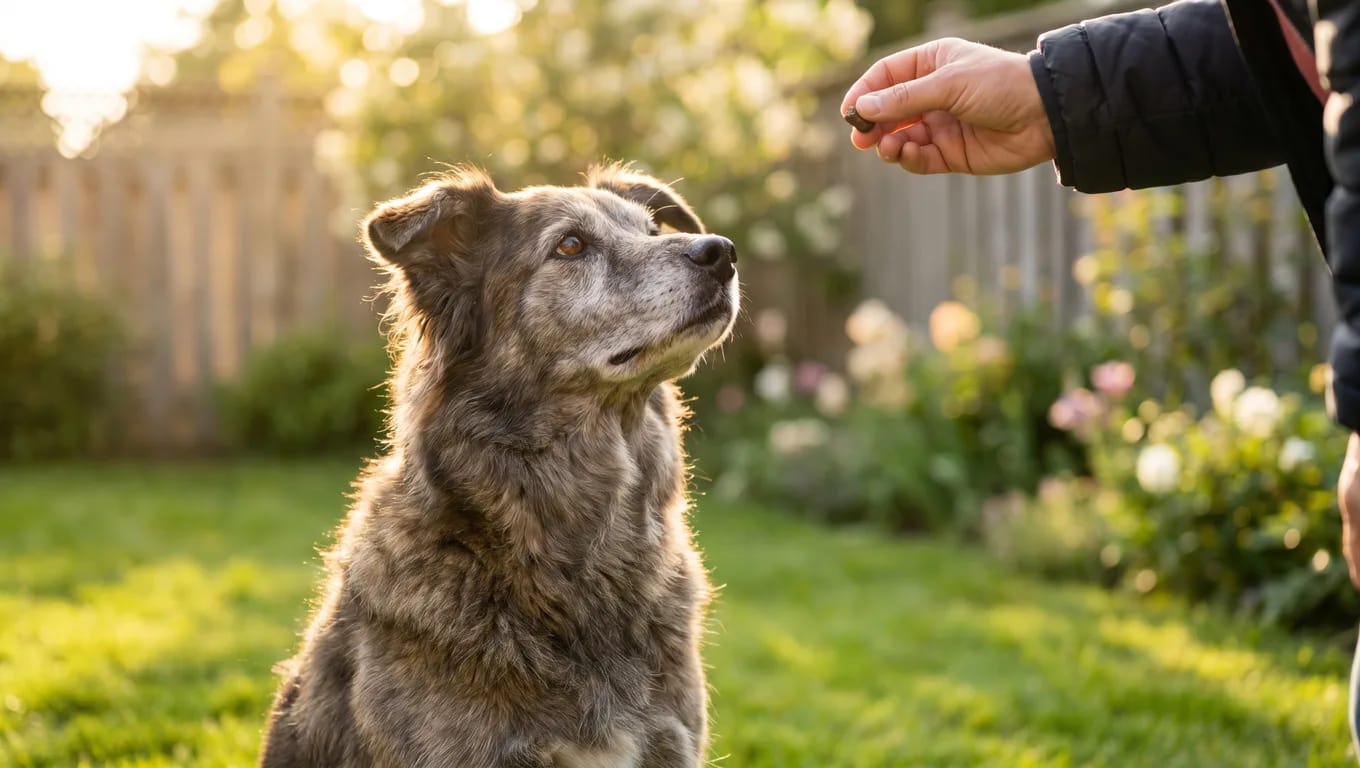
Carry small, soft treats everywhere for the first few weeks. When something new appears, a man with a beard, a passing skateboard, a vacuum cleaner, let your puppy notice it and then feed a few treats. You are teaching a simple, powerful lesson: new things make good things happen.
This is the engine of the whole checklist. Exposure alone is not enough; exposure plus a pleasant feeling is what builds a confident dog.
3Go at Your Puppy's Pace
Let your puppy choose to approach rather than being carried or lured into things. A puppy that investigates on its own terms is building confidence. A puppy pushed forward is just learning that you ignore its discomfort. If something worries it, back off, make it easier, and try again another day from a greater distance. There is no prize for rushing.
Keep a tiny socialization diary on your phone. Jot down what your puppy met each day and how it reacted. Two minutes a day shows you the gaps you still need to fill and stops the easy stuff from crowding out the things that genuinely matter.
4Prioritize the Hard-to-Replicate Experiences
Some things are easy to expose your puppy to later; others are not. Front-load the experiences that are awkward to arrange in adulthood: men in hats and uniforms, people of different ages and appearances, wheelchairs and walking aids, traffic, and gentle handling of paws, ears, and mouth for future vet visits and grooming.
The Puppy Socialization Checklist
Here is the core of the guide. Aim to expose your puppy to as many of these as you reasonably can during the window, always positively and always under threshold. You will not tick every box, and that is fine. Breadth matters more than completeness.
People
- Men, women, and children behaving calmly
- People wearing hats, hoods, sunglasses, and high-visibility jackets
- People with beards, uniforms, and bulky coats
- Someone using a wheelchair, crutches, or a walking frame
- People moving differently: jogging, carrying boxes, opening umbrellas
Other Animals
- Calm, fully vaccinated, puppy-friendly adult dogs
- A well-run puppy class with size-appropriate playmates
- Cats and other household pets, on lead and at a distance first
- Livestock or horses seen calmly from far away (never loose)
Sounds
- Household noise: vacuum, hairdryer, dishwasher, doorbell
- Traffic, sirens, and motorbikes from a safe distance
- Thunder, fireworks, and storms via quiet recordings, building up slowly
- Children playing, crowds, and general bustle
Surfaces and Environments
- Different textures underfoot: tile, carpet, grass, gravel, metal grates, wet ground
- Stairs, ramps, and wobbly or unstable surfaces
- Car journeys, starting with short, calm trips
- Quiet streets, then busier ones; outside a cafe; a garden center that allows dogs
Handling and Husbandry
- Touching and briefly holding paws, ears, tail, and mouth
- Being gently restrained and examined, as a vet would
- Standing on a towel or mat to mimic a vet table or scales
- Wearing a collar and harness, and being brushed
Vaccinated adult dogs are some of the best teachers your puppy will ever have. A patient grown-up dog models calm behavior and teaches your puppy the give-and-take of polite interaction in a way no human can. Choose your puppy's playmates carefully; one rough or frightening encounter can undo weeks of progress.
Common Socialization Mistakes to Avoid
Even devoted owners trip over the same handful of errors. Watch for these.
- Mistaking exposure for socialization. Dragging a frightened puppy through a busy market is not socialization; it is flooding, and it often creates lifelong fear. Always keep your puppy under threshold.
- Letting every dog and person "say hi." Your puppy does not need to greet everyone. Calmly watching a stranger or dog go by is often the more valuable lesson, and it prevents an over-excited adult that lunges at every new face.
- Forcing the fearful moments. If your puppy is scared, comforting it and adding distance will not "reward fear." Pushing it closer will genuinely make things worse.
- Stopping at 16 weeks. The window closing does not mean the work ends. Keep up positive outings through adolescence or earlier gains can quietly erode.
- Ignoring the fear period. Around 8 to 11 weeks, a single frightening event can leave a deep mark. During any wary phase, dial novelty down and keep experiences gentle.
What If My Puppy Seems Shy or Fearful?
Some puppies are naturally more cautious, and that is not a failure on your part. Slow right down, increase distance, use higher-value treats, and let your puppy set the pace. If the fear seems intense or is not improving, loop in a qualified, reward-based trainer or behaviorist early. Shy puppies benefit most from skilled help during the window, not after it.
Keeping Your Dog Sociable for Life
Socialization is not a box you tick once at sixteen weeks and then forget. Think of it as a foundation you keep topping up. Carry on introducing your growing dog to new places, people, and gentle challenges through adolescence, the stage when many social skills wobble and hard-won confidence can slip. A dog that keeps meeting the world calmly tends to stay relaxed in it.
The most efficient place to do much of this work is a structured puppy class. A good one gives you safe, vaccinated playmates, controlled exposure to novelty, and a trainer who reads the split-second body-language signals that tell you when to step in or back off, before you would have spotted them yourself. That is precisely the kind of careful, positive socialization this checklist is built around.
Want expert eyes on your puppy during these crucial weeks? Find and book a puppy or socialization class near you on Canlyo, track what your puppy has been exposed to between sessions, and give your dog the confident start that lasts a lifetime.