Watch a fit, well-conditioned dog trot across a room and you can see it before you can name it. The topline stays level, the back legs drive cleanly underneath the body, a quiet spring in every step. Now picture the opposite: the dog that hauls itself off the sofa front-end first, slips on the kitchen floor, and is stiff the morning after a big walk. The difference between those two dogs is rarely age or breed. More often it is muscle, and muscle is something you can build on purpose.
That deliberate work has a name. Strength training for dogs, often called canine conditioning, is the practice of building a dog's muscle, balance, and body awareness so it moves better and lasts longer. This guide is the practical version: the safe exercises that build real muscle, the equipment worth owning, how often to train, and the one check you must do before you start.
What Strength Training for Dogs Really Means
It helps to clear up a misconception first. Conditioning is not about creating a bulky, gym-bro dog. A healthy dog will never look like a bodybuilder, and chasing that look is beside the point. The goal of strength training for dogs is functional: a body that is strong, stable, and aware of itself, so the dog can run, turn, jump, and brake without breaking down.
Done well, conditioning rests on four pillars that work together:
- Strength, the raw force the muscles produce, especially in the powerful hind end that drives almost everything a dog does.
- Core stability, the deep muscles around the spine and abdomen that keep the back steady while the legs work.
- Balance and proprioception, the dog's sense of where its own feet are, which protects it on uneven ground and at speed.
- Flexibility and range of motion, so the muscle you build can move freely rather than locking up.
Chase only one of these and you build an unbalanced athlete. Strong legs with no core control give you the dog that tweaks its back; good balance on weak hindquarters falls apart late in a session, which is exactly when injuries happen. Real dog conditioning trains all four, gently and over time.
Who actually needs this
Almost every dog benefits, but the case is strongest for sport and working dogs performing at the edge of their limits, adolescent dogs finishing their growth who need controlled strength over reckless impact, older dogs whose muscle protects aging joints, and dogs recovering from injury under veterinary or rehab guidance.
Before You Start: The Vet Check You Cannot Skip
This is the part people want to rush past, so let me be blunt. Loading a body with a hidden problem does not strengthen it; it accelerates the damage. Before you begin any structured conditioning, get a clean bill of health.
Book a vet check before starting strength training, and say plainly that you intend to begin a conditioning program. Ask them to assess joints and hips, especially in breeds prone to dysplasia, overall weight, and whether your dog's growth plates have closed if it is still young. Loaded exercise on immature joints, an undiagnosed injury, or significant excess weight can cause lasting harm. If your dog is recovering from an injury, this work belongs with a qualified canine physiotherapist, not a generic plan from the internet.
Two specifics matter most. For young dogs, the growth plates at the ends of the bones stay soft until they close, anywhere from around 10-12 months in small breeds to 18-24 months in large and giant breeds. High-impact loading before then risks permanent joint damage, so early conditioning stays low and controlled. For overweight dogs, every repetition multiplies the strain on joints, and the most effective intervention is often simply getting the weight down first.
Once your dog is cleared, one habit is non-negotiable: warm up before every session and cool down after. A few minutes of brisk walking and easy movement prepares cold muscles for work and is your first line of defense against strains.
Dog Exercises to Build Muscle: The Core Moves
Here is the practical heart of it. These foundational dog exercises to build muscle need nothing but your dog, a few treats, and a non-slip floor. They are controlled and low-impact by design, because slow and deliberate builds more muscle than fast and frantic.
A note on how to build muscle on a dog that applies to all of these: muscle grows when you ask it to do a little more than it is used to, then let it recover. Good form first, then slowly add repetitions, holds, or difficulty over weeks. Never trade form for numbers.
1Sit-to-stand repetitions
This is the canine squat, and it directly targets the hind-end power that matters most.
- Ask for a clean sit, then a stand, then a sit again, all at a slow, controlled pace.
- Make sure the dog folds straight back into a square sit rather than collapsing sideways, so both back legs load evenly.
- Start with 5 reps, rest, and build toward 2-3 sets over a few weeks.
If your dog cheats by rocking forward onto its front legs, slow down and reward only the clean reps.
2Controlled cavaletti walking
Cavaletti are simply low poles the dog steps over, and they are one of the best tools for dog conditioning because they build strength, coordination, and proprioception at once.
- Lay broom handles, jump bars, or rolled towels flat, spaced roughly one of your dog's stride lengths apart.
- Walk your dog over them slowly on a loose lead so it lifts and places each foot deliberately.
- Keep the poles low. The aim is a high, conscious step, not a jump.
Walking pace is the whole point. Trotting or rushing turns a precision exercise into impact work.
3Backing up
Reversing is a movement dogs rarely make on their own, and it lights up the hind end and core like little else does.
- From a stand, lure or cue a step or two straight backward, keeping the body straight rather than veering.
- Reward small, clean efforts. Two good backward steps beat ten messy ones.
- Build distance gradually as the dog gets stronger.
4Static holds and weight shifts
Strength is not only about movement. Asking a dog to hold a position builds the deep stabilizing muscles.
- A stand-stay on a non-slip surface, holding a square, balanced stand for a few seconds, building duration over time.
- Gentle weight shifts, lightly encouraging the dog to rock side to side or front to back while standing, which fires the core and balance muscles.
Keep these calm and short. The work is invisible from the outside, but the dog is concentrating hard.
Three or four of these moves, done well for five to ten minutes, is a complete session for most dogs. You are not trying to exhaust your dog. You are asking for crisp, controlled effort and then stopping while it is still keen. More is not better here; better is better.
Canine Fitness Equipment: What You Actually Need
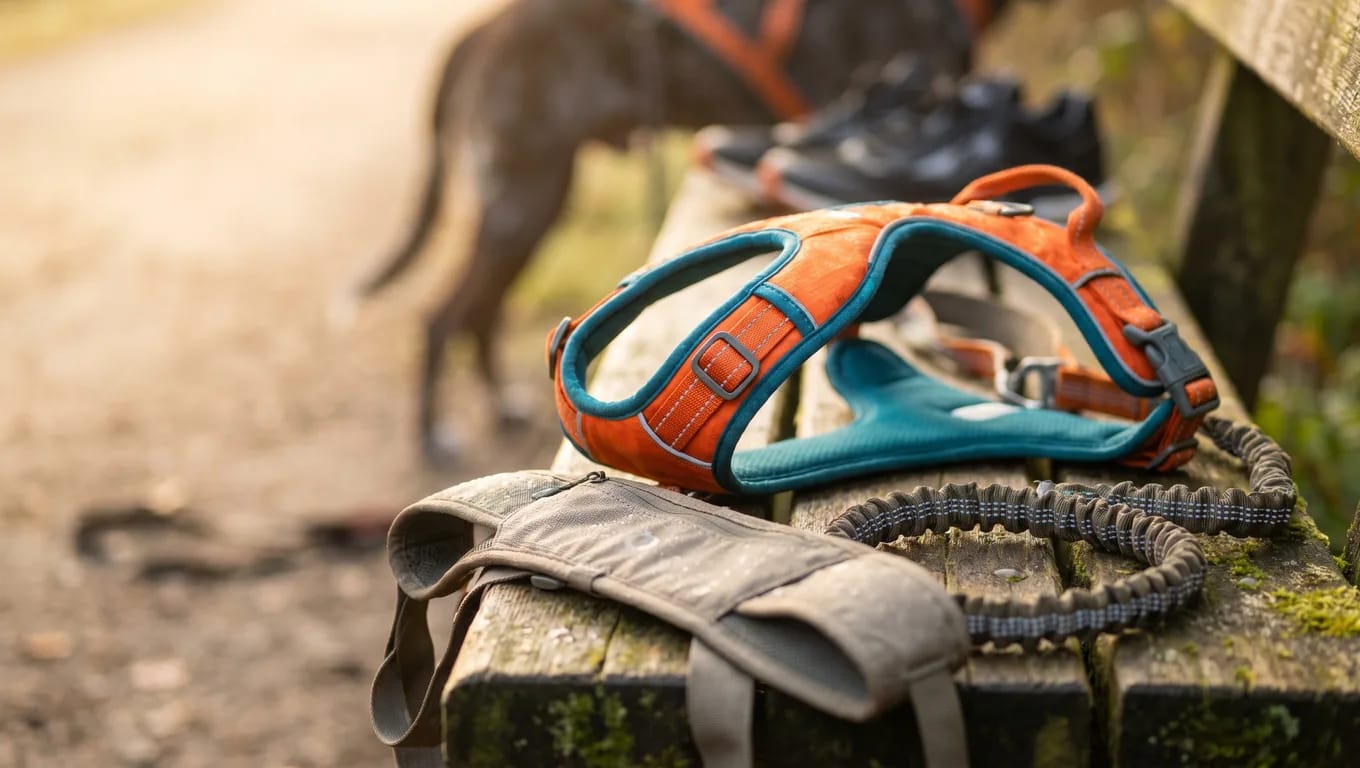
You can start conditioning with zero gear, and you should. But as your dog progresses, the right canine fitness equipment lets you add the controlled instability that drives new muscle. Here is what is genuinely useful, from essential to nice-to-have.
| Equipment | What it does | Worth it for |
|---|---|---|
| Non-slip mat or rug | Gives secure footing so the dog can load its legs without slipping | Everyone, day one |
| Cavaletti poles | Build coordination, stride, and proprioception | Everyone |
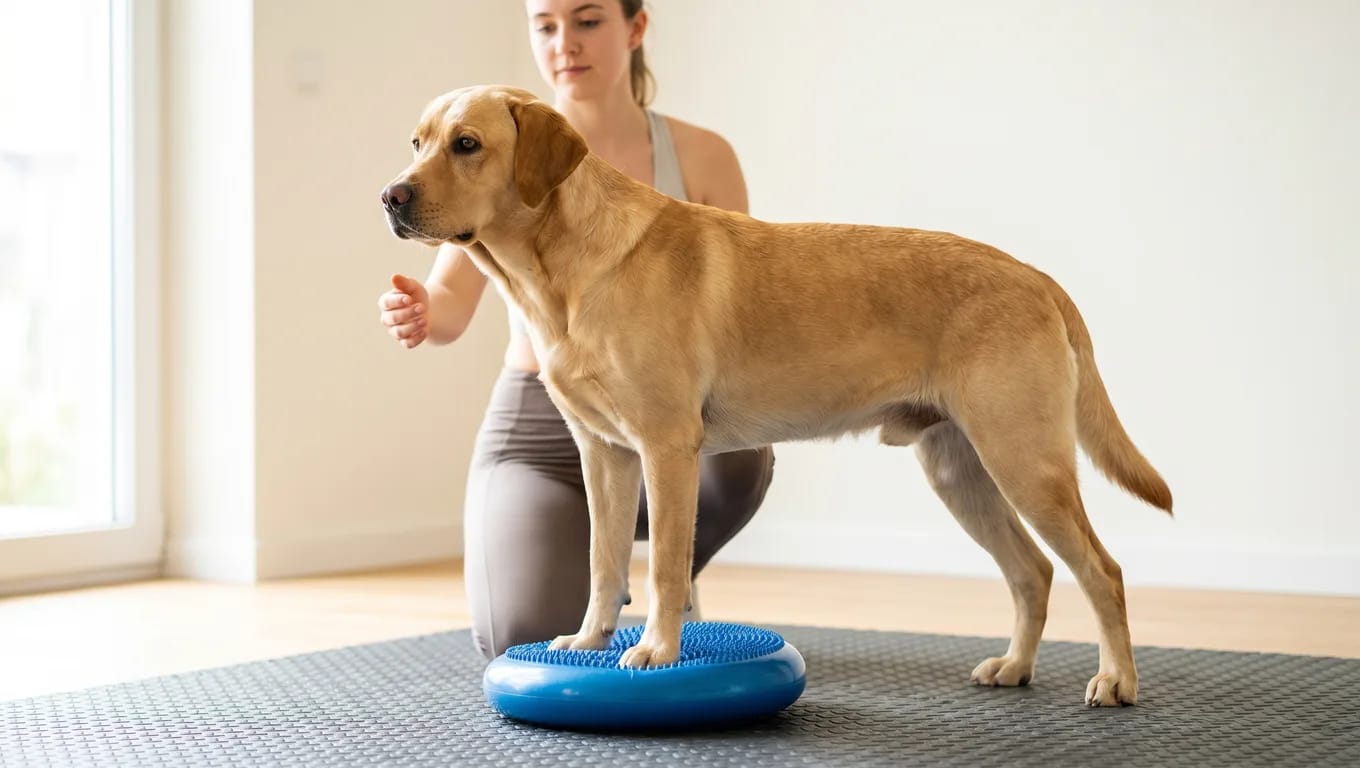
| Balance pad or cushion | Adds gentle instability to fire core and stabilizer muscles | Most dogs, early progression |
| Inflatable balance disc | More instability for advanced balance and core work | Sport and working dogs |
| Wobble board | Challenges balance and builds confidence on a moving surface | Sport dogs, careful progression |
| FitPaws-style peanut or donut | Versatile platform for advanced core and rear-end work | Dedicated conditioning, ideally with coaching |
A few honest words on the kit. Start with the floor and a non-slip surface, then add a single balance pad before anything fancier. Inflatable gear looks impressive online, but used without proper introduction it can frighten a dog or encourage a fall. Introduce each piece slowly, reward heavily, and keep it low and stable until your dog is genuinely confident. Equipment adds controlled challenge; it is never a shortcut, and a cheap setup used well beats an expensive one used carelessly.
How Often Should You Train? Frequency, Volume, and Recovery
This is where good intentions most often go wrong. People discover conditioning, get excited, and drill their dog daily until it is sore. Muscle is not built during the workout. It is built during the recovery afterward, when the body repairs and adapts.
A sensible rhythm for a healthy adult dog looks like this:
- Frequency: short sessions 3-4 times a week, with rest or easy days in between.
- Duration: 5-15 minutes of focused work per session, not counting warm-up and cool-down.
- Recovery: at least one full rest day between hard sessions so muscles can adapt.
- Progression: add difficulty in small weekly increases, never big leaps.
The single best skill you can develop is reading your dog. Watch how it moves the day after a session. Stiffness, reluctance to get up, lagging on a walk, or a session that suddenly looks sloppy are all signs you asked for too much, too soon. The right answer is always to back off, never to push through.
If you only remember one rule, make it this: end every session while your dog is still keen and moving cleanly. The moment form gets sloppy, the rep stops building strength and starts building risk. Stopping early is not lazy; it is how the pros train.
Conditioning for Sport and Active Dogs
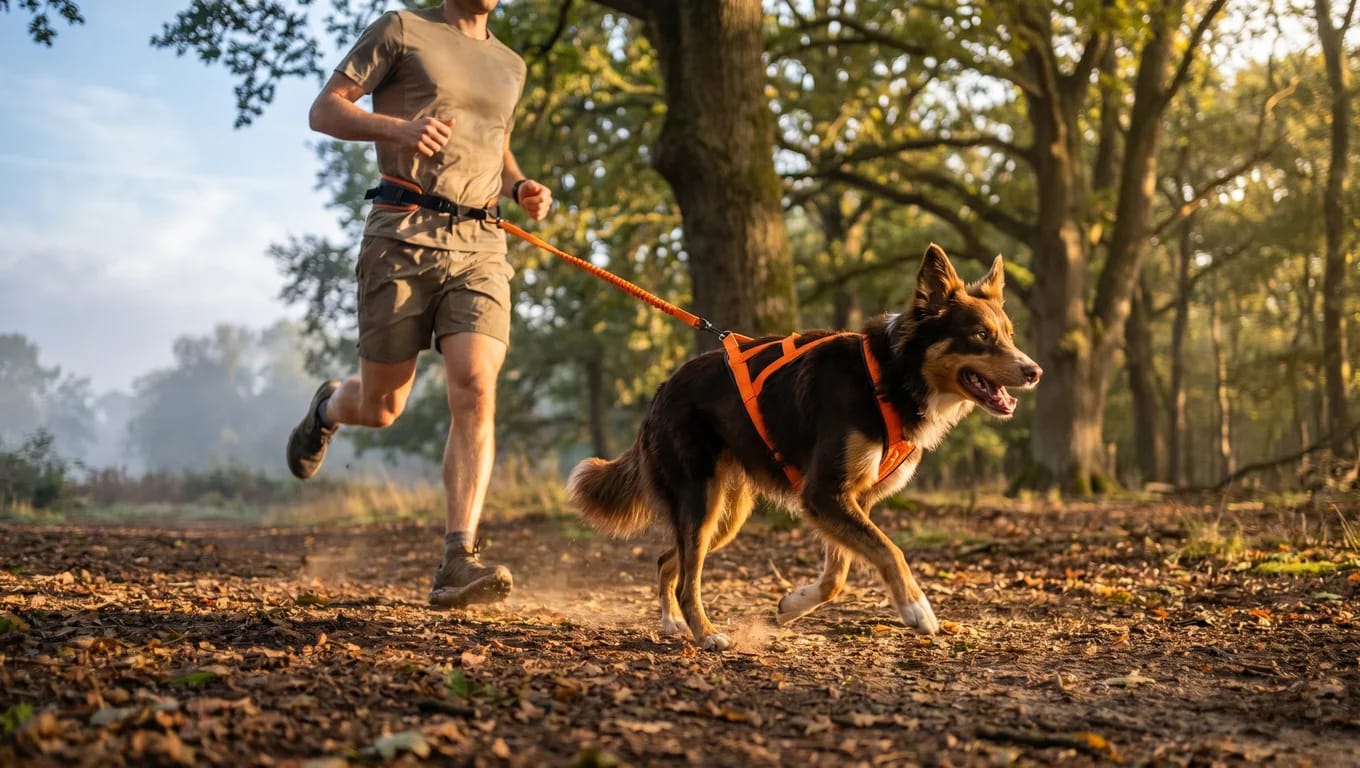
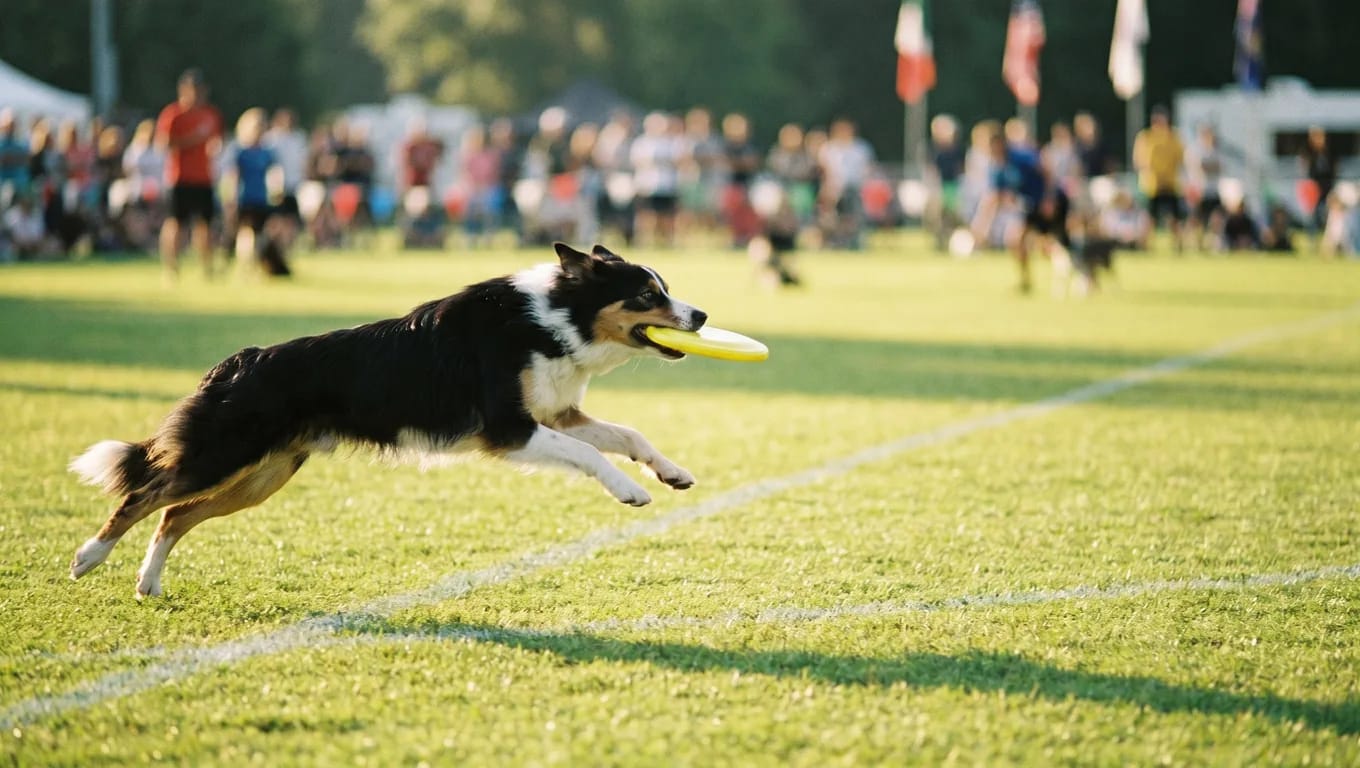
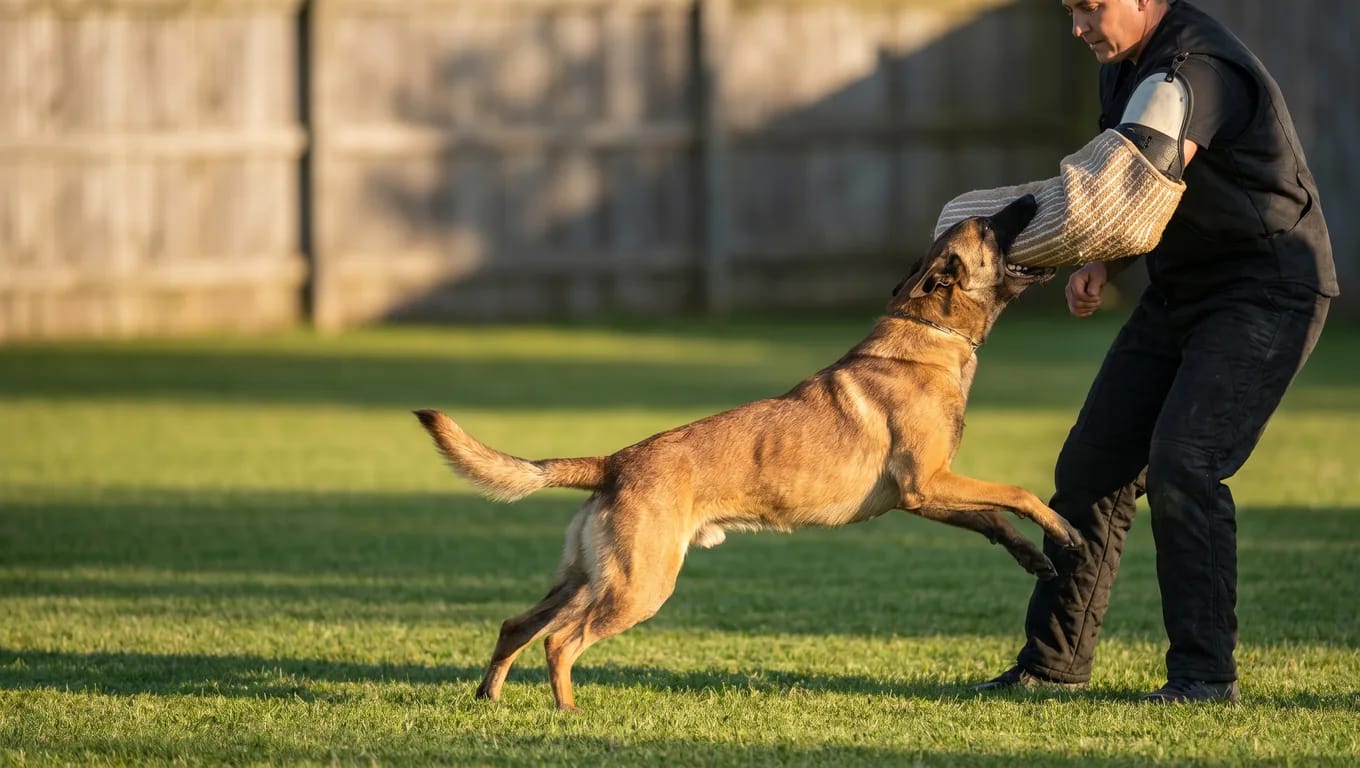
If your dog already does a sport, conditioning stops being optional and becomes the foundation everything else stands on. The fittest agility, flyball, or canicross dogs are not just the ones who practice their sport the most. They are the ones whose owners build a strong, balanced body underneath the skills.
The reason is simple. Sport asks for explosive, repetitive, high-impact effort: launching over jumps, slamming into turns, sprinting and braking at full tilt. A body conditioned to absorb and produce that force performs better and breaks down far less. Conditioning is the quiet work that lets the exciting work happen safely.
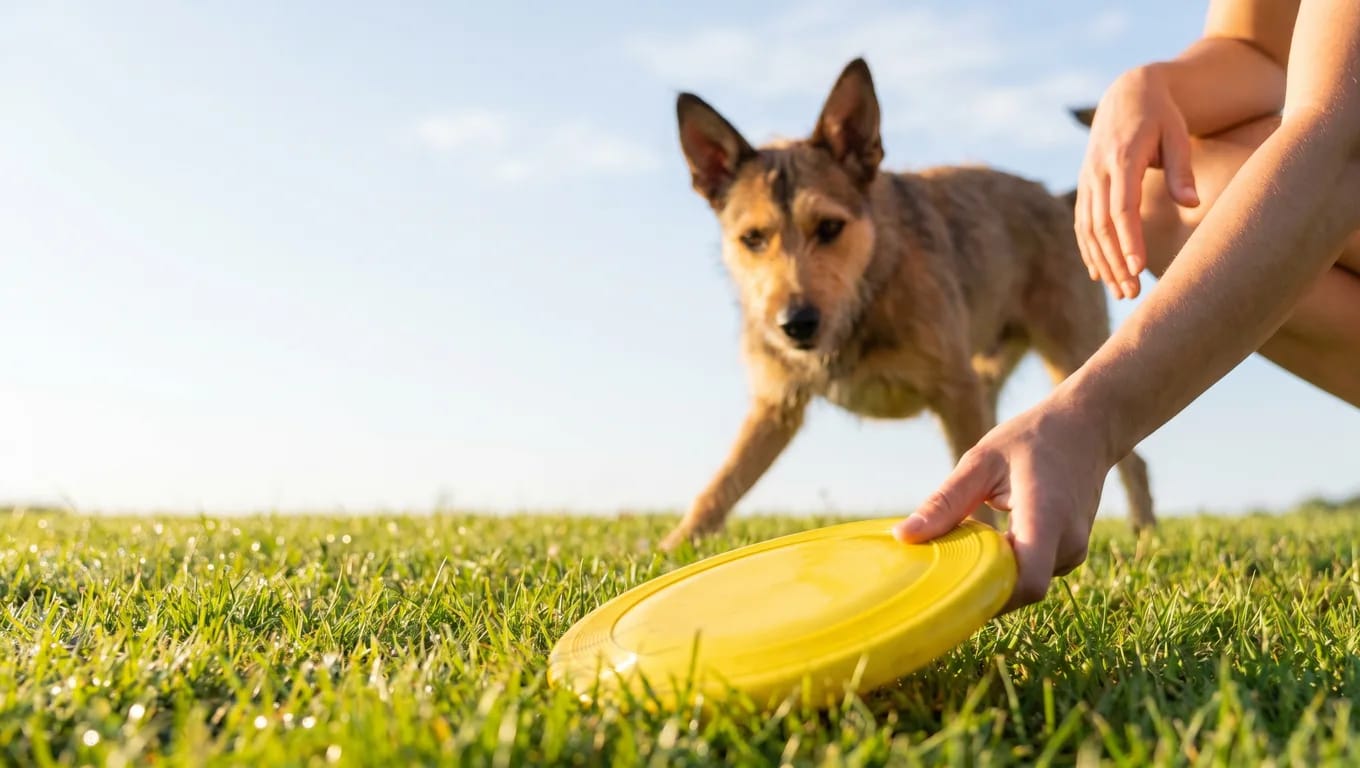
If any of this resonates and your dog has the drive for it, the natural next step is a dog sport. The same strong hindquarters and stable core you build through conditioning are exactly what a dog needs to thrive in agility, flyball, canicross, or disc. Many owners find conditioning is the on-ramp: they start to build muscle, fall in love with watching their dog move well, and end up hooked on a sport neither of them knew they wanted.
Where a class makes the difference
You can build a real foundation at home, and you should start there. But conditioning is one of those things where a trained eye is worth a great deal. A good canine fitness instructor can spot the compensations you cannot: the subtle way a dog favors one side, the sit that loads only one leg, the balance work that has quietly become a fall waiting to happen. They will also progress your dog at the right pace and introduce equipment safely. That feedback loop, someone watching your dog move and adjusting in real time, is the fastest and safest way to turn good intentions into a genuinely stronger dog.
Ready to build a stronger, more resilient dog? Find and book a canine fitness or conditioning class near you on Canlyo, get matched with a trainer who knows how to load a body safely, and turn those first home exercises into real, lasting strength.
Building muscle on a dog is not about intensity or fancy gear. It is controlled, consistent effort that respects how a body adapts: a clean vet check first, a handful of well-executed exercises, sensible equipment, and real recovery between sessions. Get those right and you will feel the change before you can measure it, in the level topline, the clean push off the back legs, and a dog that bounds through the years instead of stiffening into them.