Your dog has spent weeks tearing at the door every time you leave, growls when someone gets near his bed, or freezes in the middle of a walk for no reason you can see. You've tried videos, forum tips, and even a class or two, but the feeling is always the same: you're treating the symptom without understanding what's going on inside. That's exactly where canine ethology comes in, the field that explains why your dog does what he does. In this guide you'll learn what it actually is, how a dog behaviorist differs from a trainer, and, above all, how to know when it's time to bring one in.
What Canine Ethology Is
Ethology is the branch of biology that studies animal behavior in context: why animals act the way they do, what purpose each behavior serves, and how genetics, learning, and environment shape it. Applied to dogs, canine ethology focuses on understanding canine behavior from the inside out, not just correcting it from the outside.
Put simply: an obedience class teaches you how to get your dog to sit; ethology asks a different question. Why does he shoot up off the floor the second a guest walks in? What emotion is driving that bark - fear, frustration, overarousal, or even pain? That focus on the "why" is what lets you fix the problem at the root instead of papering over the behavior you can see.
This field goes by a few different names. In everyday conversation you'll hear terms like dog psychology or even "dog psychologist," and that's worth a quick clarification.
"Dog psychologist" is a casual phrase, not an official credential. Dogs don't have psychologists in the human sense. When people talk about dog psychology, they mean the study of a dog's emotions and mental processes, which in practice is the territory of ethology. The professional trained in this is the dog behaviorist, not a "psychologist."
What a Behaviorist Actually Studies
The work of a dog behaviorist pulls together several layers you rarely see in an obedience class:
- Communication and body language: what your dog is telling you with his ears, his tail, his posture, and the subtle stress signals that slip right past most owners.
- Emotions and internal states: fear, anxiety, frustration, or overarousal as the engine behind the behavior.
- The dog's history and environment: his genetics, his socialization period, his past experiences, and what daily life looks like at home.
- The function of the behavior: what your dog gets out of acting this way and what keeps it going over time.
Dog Behaviorist vs. Trainer: They're Not the Same
This is one of the biggest sources of confusion in the dog world, and clearing it up will save you time, money, and frustration. Behaviorist and trainer aren't synonyms or interchangeable roles: they work on different things, even though they sometimes overlap and often collaborate.
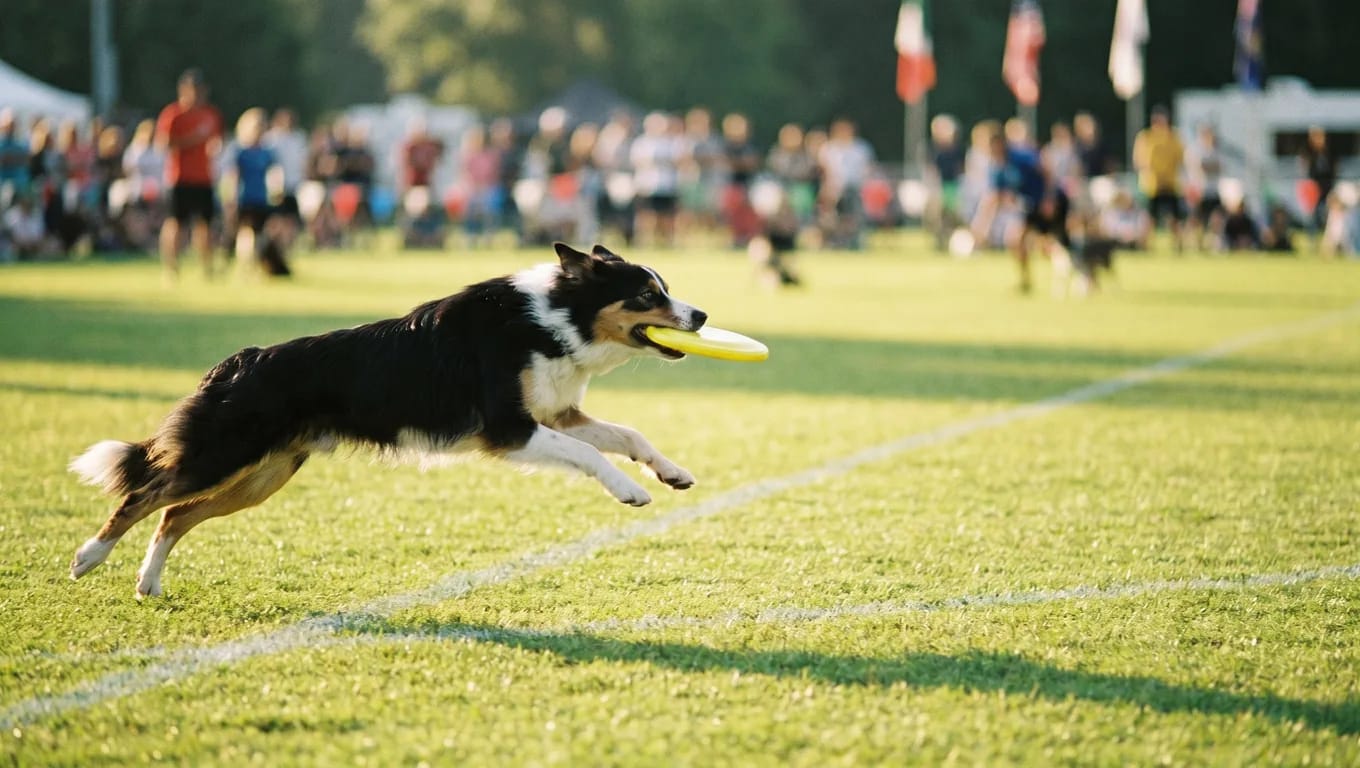
A trainer focuses on teaching behaviors and skills: the recall, loose-leash walking, staying put, responding to cues. It's a job of learning and practice, perfect for building good habits and for sports like obedience or agility.
A behaviorist focuses on understanding and changing problem behavior, especially when it has an emotional root: fears, aggression, separation anxiety, compulsive behaviors. The starting point isn't "what do I want him to do," but "why is he doing it and how does he feel?"
| Aspect | Trainer | Dog behaviorist |
|---|---|---|
| Core question | How do I teach this behavior? | Why is he acting this way? |
| Focus | Skills and obedience | Emotions and underlying behavior |
| Typical cases | Recall, leash, tricks, sports | Fears, aggression, anxiety |
| Approach | Training and repetition | Behavioral assessment |
| Background | Dog training courses | Specialized training in ethology |
And Where Does the Vet Fit In?
There's a third key player: the veterinarian, and specifically the vet who specializes in behavior (clinical behavior). Plenty of canine behavior problems have a physical or medical component underneath. A dog with joint pain can turn "grumpy," one with a digestive issue may start licking compulsively, and certain anxiety cases improve dramatically with veterinary support.
Before you chalk up a sudden behavior change to a problem with your dog's "personality," always rule out pain or illness with your vet first. A dog who turns irritable overnight, stops eating, or changes his habits may be telling you that something hurts, not that he's misbehaving.
When to See a Dog Behaviorist
This is the question that really matters. Not every problem calls for a behaviorist, and knowing the difference is part of being a good advocate for your dog. As a general rule, a trainer or a solid group class is plenty for teaching skills and polishing manners. A behaviorist comes into play when the root of the problem is emotional or when the behavior has gotten serious.
Signs the Time Has Come
Consider looking for a dog behaviorist if you recognize any of these situations:
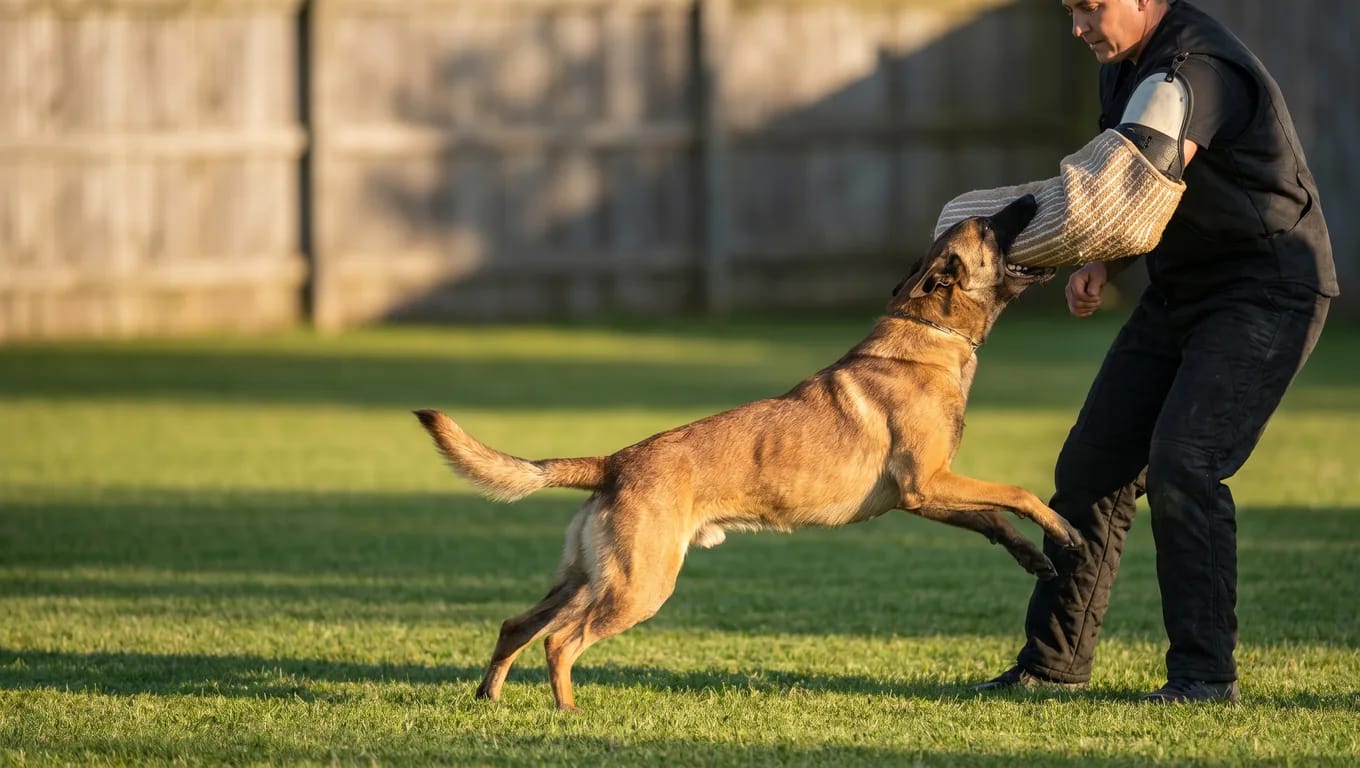
- Aggression of any kind: growling, snapping, or biting at people or other dogs.
- Intense fears that limit daily life: panic around noises, going outside, or specific people.
- Separation anxiety: destruction, nonstop barking, or extreme stress when left alone.
- Compulsive behaviors: tail chasing, licking to the point of sores, repetitions that don't seem normal.
- Sudden behavior changes with no obvious cause, once you've ruled out anything medical.
- The feeling that you've tried everything and the behavior isn't improving, or is even getting worse.
When a Trainer or Class Is Enough
On the flip side, you don't need a behaviorist if what you're after is:
- Teaching basic cues and good manners to a puppy or a healthy adult dog.
- Improving the recall, leash walking, or general day-to-day living.
- Getting your dog started in a dog sport like agility, mantrailing, or obedience.
- Fixing minor nuisance habits that respond well to positive reinforcement training.
A good rule of thumb: if the problem is one of skill ("he doesn't know how yet"), think trainer. If the problem is one of emotion ("he's struggling, and that's why he reacts that way"), think behaviorist. And when you're not sure, an initial behavior consult usually clears up which way to go pretty fast.
How a Dog Behaviorist Works
Knowing what to expect helps you show up with a clear head and make the most of the consult. A serious behaviorist's work rarely comes down to quick "tricks"; it looks a lot more like a methodical investigation of the case.
The Process, Step by Step
1Intake interview
The behaviorist will ask you a lot of questions: your dog's history, his routine, his diet, what the problem looks like exactly, when it shows up, and what sets it off. This background is the foundation of the whole process.
2Observing the behavior
They'll watch your dog in action, often at home or in his usual environment, to read his body language and the signals you miss day to day.
3Hypothesis and behavioral assessment
With all of that, they pinpoint the emotion and the function behind the behavior, and rule out or refer to the vet if they suspect a medical cause.
4Behavior modification plan
They build a plan tailored to you, usually with techniques like desensitization and counterconditioning, plus environmental management strategies so your dog stops rehearsing the problem behavior.
5Follow-up
Behavior change is gradual. A good behaviorist sticks with you, adjusts the plan as you make progress, and teaches you to read your dog on your own.
How to Choose a Good Professional
The title "behaviorist" isn't regulated the same way everywhere, so it's worth watching for a few things:
- Demonstrable training in ethology or canine behavior, well beyond a quick weekend course.
- Humane, positive methods. Steer clear of anyone who pushes punishment, prong collars, or "dominating" your dog; those approaches make emotionally rooted problems worse.
- A willingness to work with your vet when the case calls for it.
- No miracle promises. No one serious will guarantee they'll "cure" your dog in one session.
Ethology Starts With You
The most valuable part of leaning into canine ethology isn't just solving one specific problem, but changing how you see your dog. Once you start to understand that behind every bark, every pull, and every growl there's an emotion and a reason, you stop seeing "bad behavior" and start seeing communication. That perspective, more understanding and less demanding, is what truly transforms life together at home.
You don't have to become an expert. But you can learn to observe, to respect your dog's pace, and to ask for qualified help when the situation calls for it, instead of carrying a problem you can't crack all on your own.
If you think your dog needs more than training, on Canlyo you can find and book an ethology consult or a behavior class with a qualified professional near you, and take the first step toward understanding what's behind his behavior.
Understanding canine behavior won't turn your dog into a different animal overnight, but it does give you something no trick can offer: the calm of knowing what's going on with him and the confidence of knowing what to do about it. And that, almost always, is the point where things really start to get better.