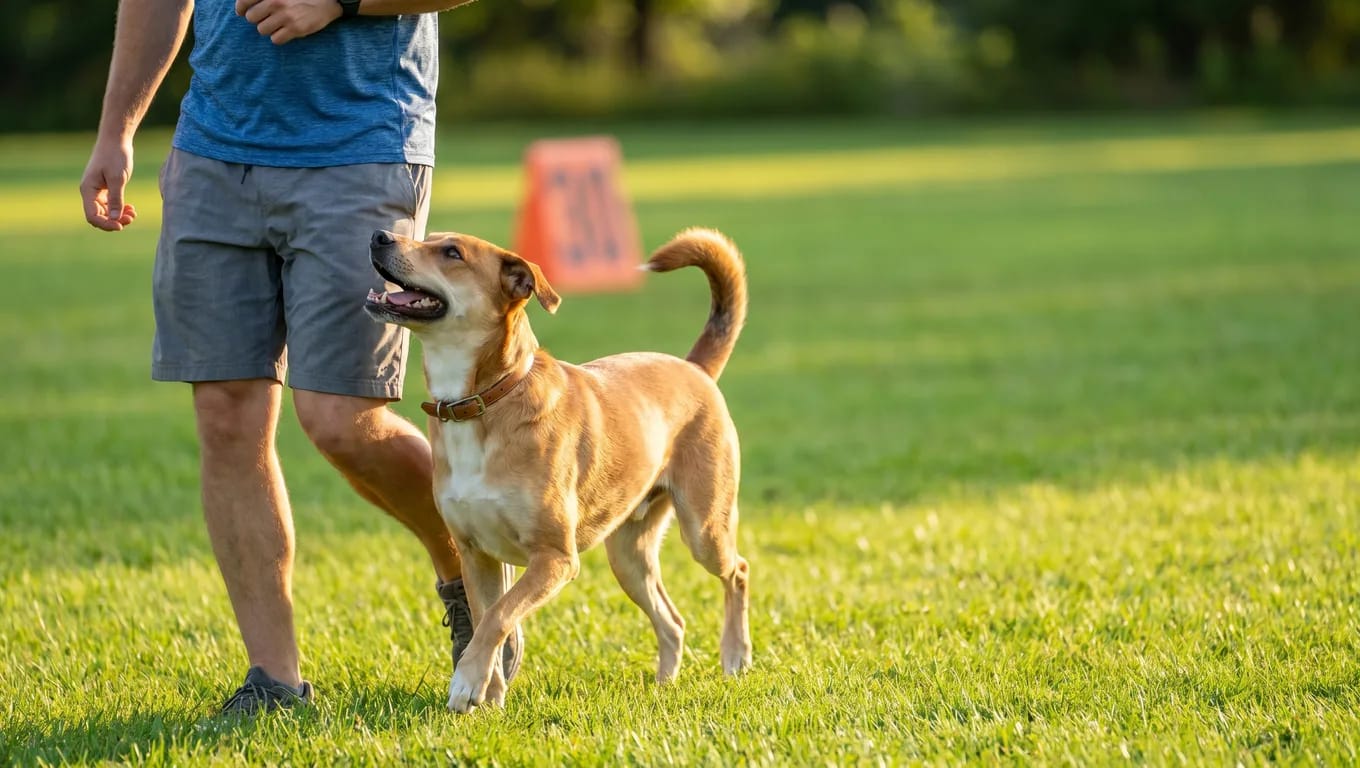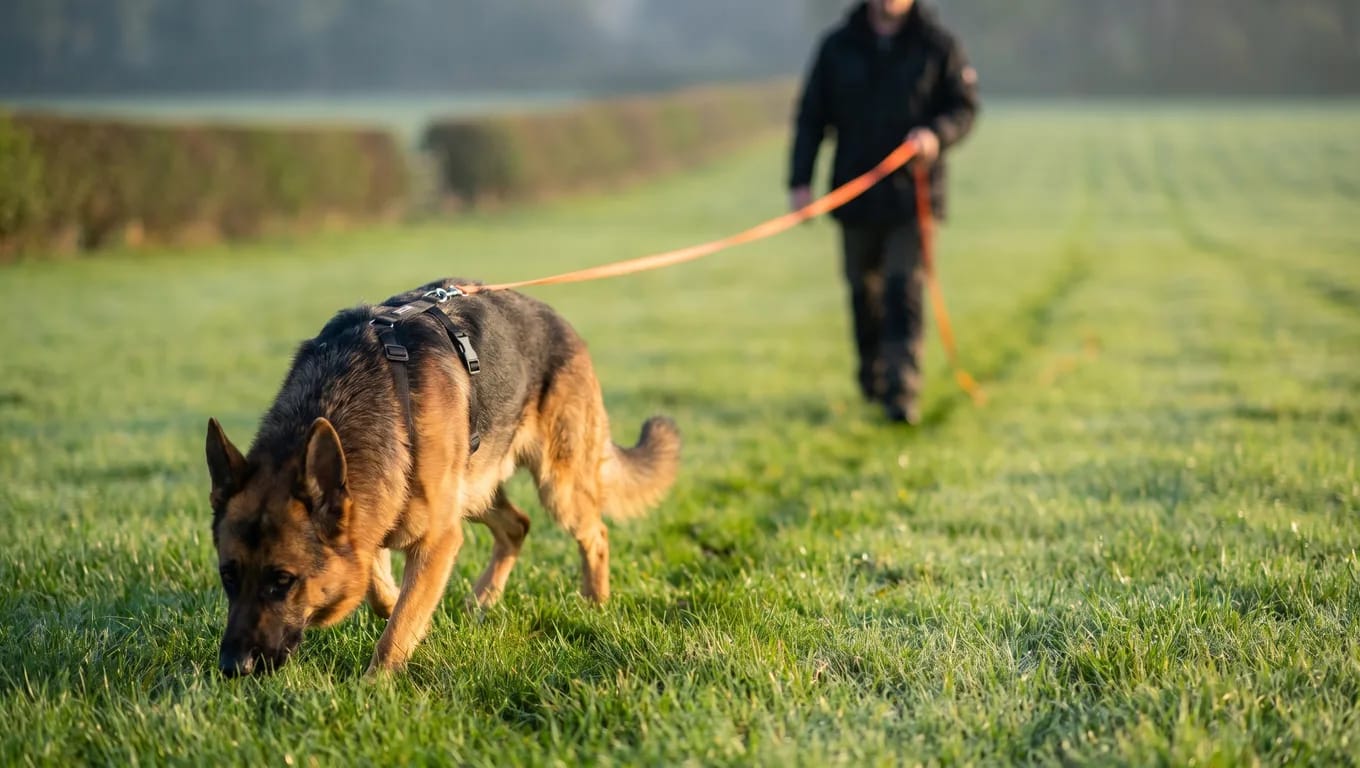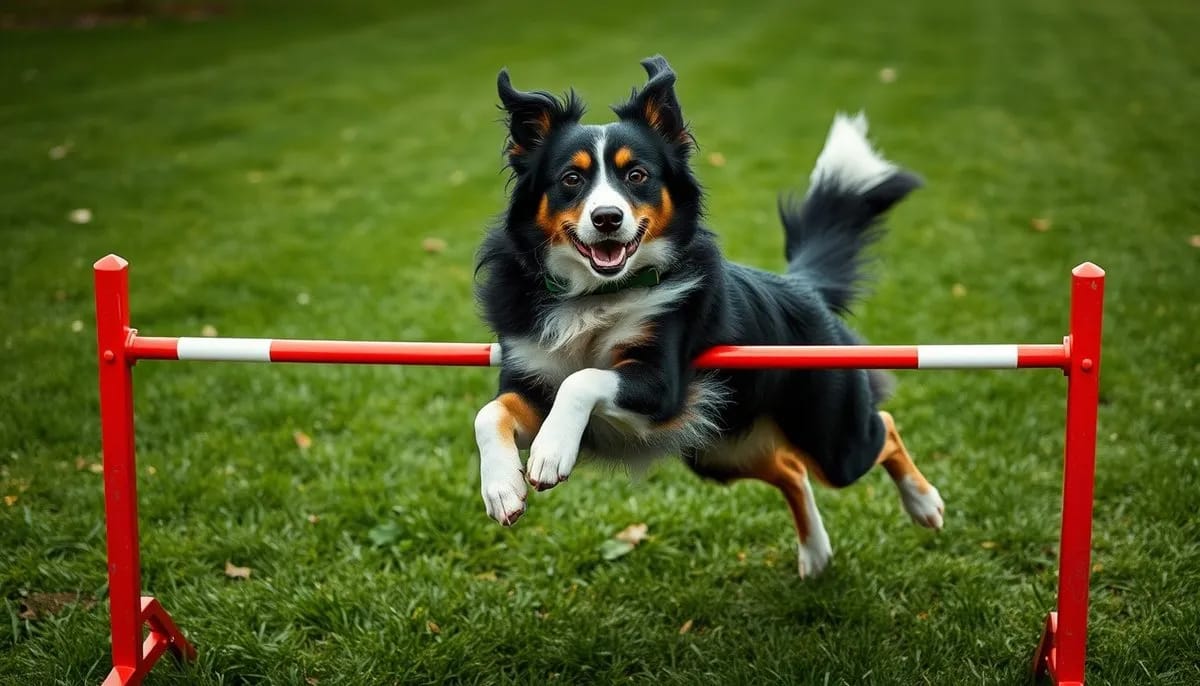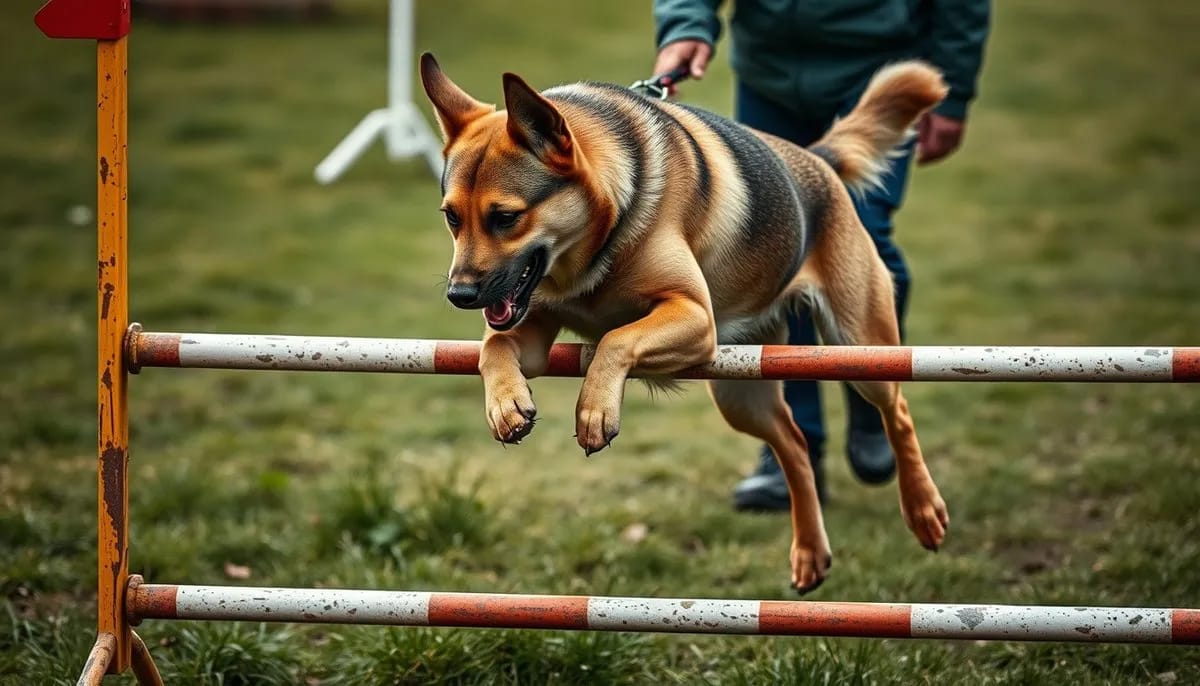
A dog trots onto a quiet field at first light, nose dropped to the grass, and works a winding scent trail laid twenty minutes earlier, pausing to lie down at a dropped leather article. An hour later, the same dog heels through a crisp obedience pattern, retrieves a dumbbell over a meter-high jump, and drops flat on command from a flat-out run. Then it does something that looks straight out of a police film: it sprints across the field, barks to hold a hidden "helper" in place, and releases the instant its handler asks. Same dog, same morning, three completely different jobs. That is Schutzhund, the sport now officially called IGP.
If you have heard the name and wondered what is Schutzhund, or seen the abbreviation and asked what is IGP, this guide untangles the confusing names, walks you through the three phases at a glance, and helps you decide whether this demanding, deeply rewarding sport is a fit for you and your dog.
What is Schutzhund?
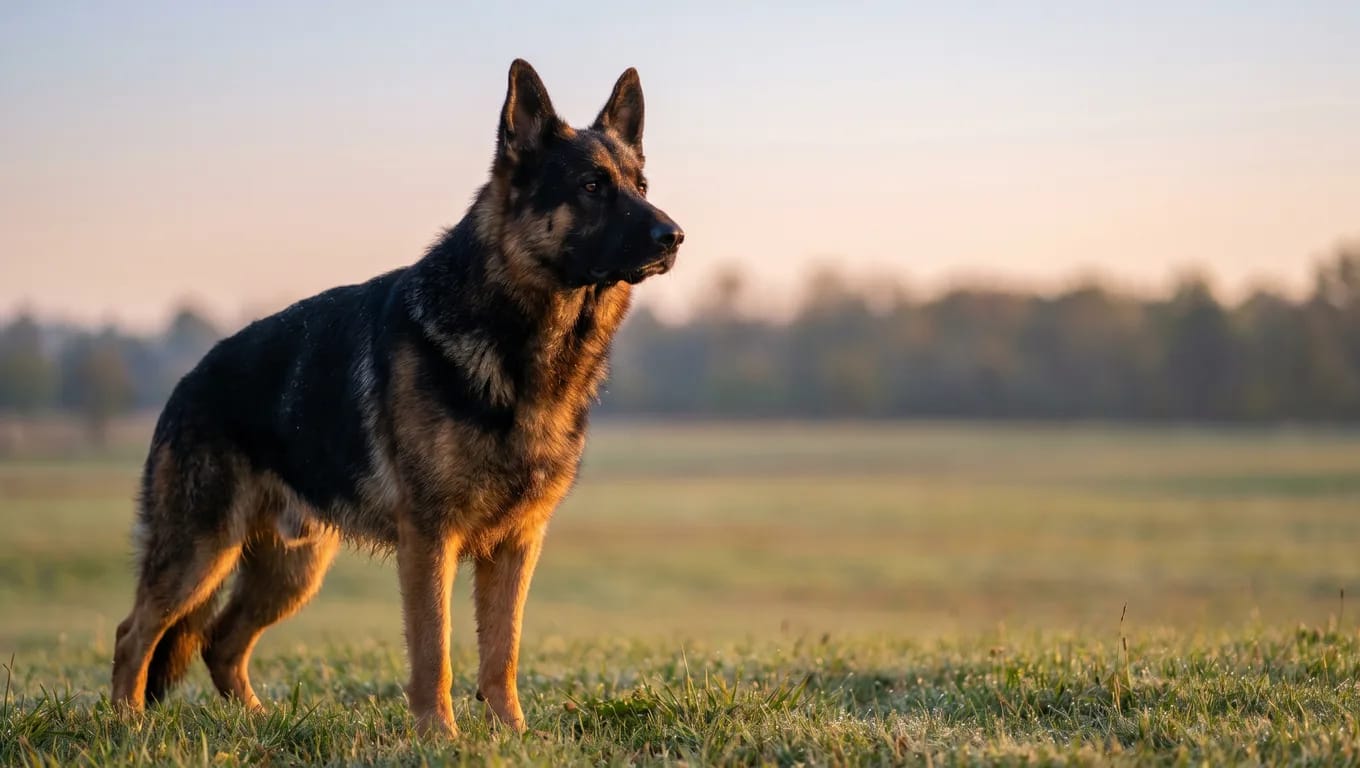
Schutzhund is a German word that translates roughly as "protection dog," and it is the original name of a dog sport developed in the early twentieth century to test working ability. It was created as a breed-suitability test for the German Shepherd, a way to prove that a dog had the nerve, intelligence, trainability, and physical drive expected of a genuine working animal, rather than just the right looks.
Over the decades the sport grew far beyond that purpose. Today it is a structured, internationally regulated competition that evaluates a dog across three distinct disciplines in a single trial: tracking, obedience, and protection. A dog has to be good at all three, because brilliance in one phase cannot rescue a failure in another. That is exactly what makes the sport such a complete test of a working dog and its handler.
Despite the intimidating "protection" label, modern Schutzhund is first and foremost a sport built on control, precision, and teamwork. The protection phase is highly choreographed and rule-bound, and a dog that cannot switch off on cue is penalized heavily. The qualities the sport actually rewards are obedience, focus, confidence, and a stable temperament, not aggression.
What does IGP stand for?
Here is where the names trip people up. The sport has been renamed more than once, and you will see three different terms used for what is essentially the same activity.
IGP stands for Internationale Gebrauchshunde Prüfungsordnung, which translates as the "International Utility Dog Regulations." It is the current official name, adopted in 2019 by the FCI, the Fédération Cynologique Internationale, the world governing body for the sport. So when you ask what does IGP stand for, the short answer is that it is the modern, internationally standardized name for Schutzhund.
This matters because as a newcomer you will run into all three terms, often used interchangeably by the same people. They refer to the same three-phase sport. The differences are mostly historical and administrative, not practical.
| Name | What it means | Status |
|---|---|---|
| Schutzhund (SchH) | "Protection dog"; the original German name and the term most people still recognize | Historical; widely used in conversation |
| IPO | Internationale Prüfungsordnung, the international name used from 2004 to 2018 | Former official name; now retired |
| IGP | Internationale Gebrauchshunde Prüfungsordnung; the international utility dog rules | Current official FCI name since 2019 |
If you are reading older books, watching clips from a decade ago, or chatting with seasoned handlers, expect to hear "Schutzhund," "SchH," and "IPO" used for the IGP dog sport. They are the same thing. The titles a dog can earn are now written IGP1, IGP2, and IGP3, where the older system used SchH1 through SchH3.
What are the three phases of IGP?
A full IGP trial tests your dog across three phases on the same day, scored out of 100 points each for a possible total of 300. To pass, a dog must reach a minimum qualifying score in every phase, so an all-rounder beats a specialist every time. Here is what each phase asks of the dog.
1Tracking
In the tracking phase, the dog follows a scent trail laid earlier across a field, nose to the ground, working slowly and methodically along the exact path a person walked. Along the trail a few small articles, such as pieces of leather or wood, are dropped, and the dog must indicate each one, usually by lying down at it.
This phase rewards patience, concentration, and precision rather than speed or drive. As the dog progresses through the levels, the track gets longer, older, and more complex, with more turns, more articles, and more time elapsed before the dog starts, all of which make the scent harder to follow.
2Obedience
The obedience phase looks, to a newcomer, like a polished routine performed across a large field. The dog heels closely and attentively through changes of pace and direction, sits, lies down, and stands on command from movement, and retrieves a dumbbell on the flat, over a hurdle, and over an angled climbing wall. It also performs a "send away," running ahead on command before dropping on cue, and a stay exercise, holding a down position while another dog works nearby.
What the judges are really scoring here is precision, attitude, and willingness: the dog that works fast and accurately while looking genuinely happy to be doing the job scores best.
3Protection
The protection phase is the part that draws the cameras, and the part most misunderstood. The dog searches a series of blinds, the hiding spots set up across the field, to locate a decoy known as the helper, who wears a heavily padded sleeve. On finding the helper, the dog barks to hold rather than biting, guarding the person in place until the handler arrives.
The phase then tests the dog through controlled exercises that combine a firm, full bite on the sleeve with immediate, clean releases on the handler's command. The single most important thing to understand is this:
- The sport does not reward aggression. It rewards controlled, confident drive that switches off instantly on cue.
- A dog that will not release, that bites out of fear, or that cannot be controlled fails. Stability and obedience under pressure are the whole point.
Protection work is a precise sport discipline performed with trained helpers and strict rules. It is not a way to teach your dog to "guard the house," and it has nothing in common with encouraging real aggression. Done properly, IGP produces a more confident, more controllable dog, never a more dangerous one. It should only ever be trained under qualified club guidance.
Who is IGP for, and which dogs are suited to it?
IGP is one of the more demanding dog sports to take up, and being honest about that helps you start in the right place. More than almost any other dog sport, it is a handler's sport. Success comes from consistent training over months and years, a willingness to learn the rules and the technique, and regular work alongside a club, because the protection phase in particular cannot be trained safely or correctly alone. If you enjoy detailed, structured training and want a long-term project with your dog, the payoff is hard to match: a deep working partnership and a dog trained to a standard most owners never see.
Which dogs tend to thrive
IGP is open to many breeds, but it suits dogs bred for working ability. The classic candidates are the German Shepherd, the Belgian Malinois, the Dutch Shepherd, the Rottweiler, the Dobermann, and the Boxer, among other working breeds. The traits that matter most are:
- Strong drive and a willingness to work with their handler.
- A stable, confident temperament that copes well with pressure and novelty.
- Sound physical health, since the obedience and protection phases are athletic.
- Genuine trainability, because the sport demands precision across three very different jobs.
A high-drive working dog without a job often becomes a difficult dog to live with. For the right breed and temperament, IGP channels exactly that intensity into focused, satisfying work, which is one reason so many working-breed owners find their way into the sport.
Where it might not fit
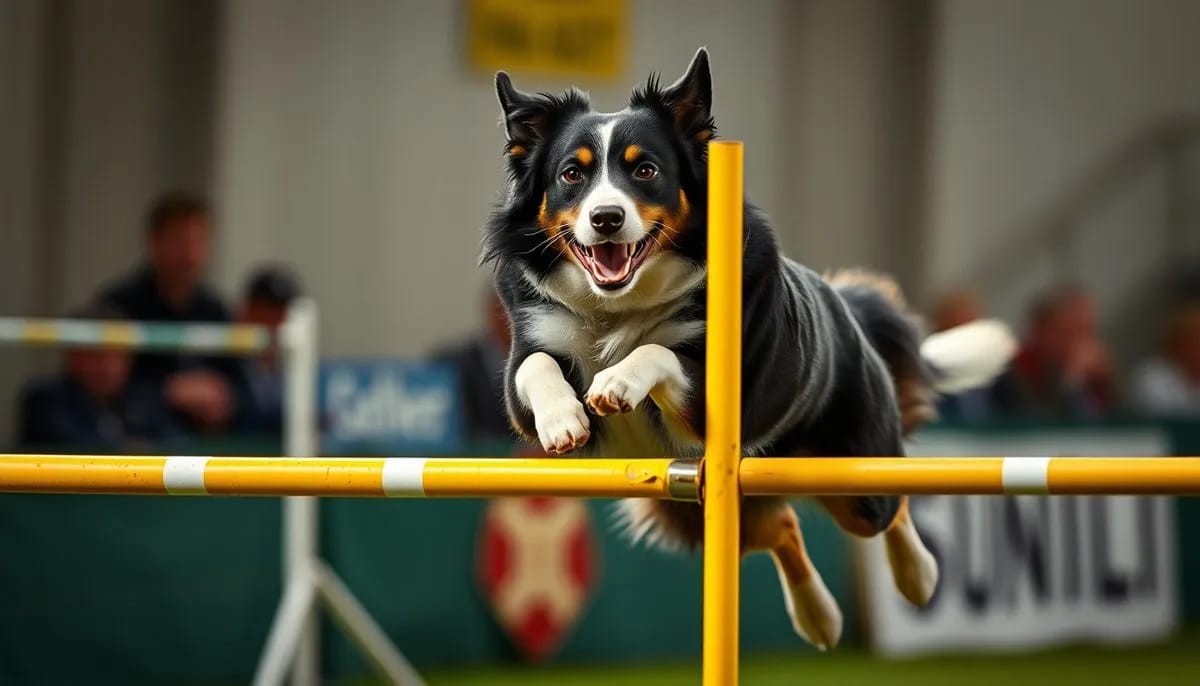
This is not the natural starting point for a low-drive companion breed, a dog with a fearful or unstable temperament, or an owner looking for a casual, drop-in hobby. If your dog loves to use its nose, tracking or mantrailing might suit you better; if you want athletic teamwork without the protection element, agility is a brilliant fit. There is a dog sport for almost every dog, and IGP is simply one demanding option among many.
How do I get started with Schutzhund / IGP?
Because of the protection phase and the precision the sport demands, IGP is not something to teach from videos at home. The single most important step is to find a club and learn from experienced people in person.
Start by visiting a club
The best first move is simply to watch. Visit a local IGP or Schutzhund club on a training day, see all three phases in action, and talk to the members. Most clubs welcome newcomers and are happy to explain what they are doing and why. Watching a trained dog work tracking, obedience, and protection on one field tells you more in an afternoon than weeks of reading.
What the early journey looks like
You will not start with bite work. Foundations come first, and they look a lot like good general training:
- Engagement and play, building your dog's desire to work with and for you.
- Marker or clicker basics, teaching the dog that precision earns reward.
- Foundational obedience and focus, long before formal routines.
- Early tracking, often introduced gently because it suits young dogs well.
Protection foundations come gradually, under a qualified helper, only once the dog has the maturity and control to handle them. A good club guides you through each phase step by step.
When you are ready to go deeper into the training itself, our practical guide to Schutzhund training breaks down how each phase is trained, the commands you will use, and the right age to start.
The dog that works tracking, obedience, and protection in a single morning did not get there by accident. It got there through years of patient, structured work, which is exactly what the sport is built to reward. Whether or not you ever chase an IGP3 title, the training itself tends to produce a calmer, more confident, more focused dog at home, and a partnership that runs on attention rather than commands.
Curious whether IGP is right for you and your dog? The best way to know is to watch it in person. Find and book a beginner Schutzhund or IGP class near you on Canlyo, meet a local club, and see the three-phase sport up close before you commit.