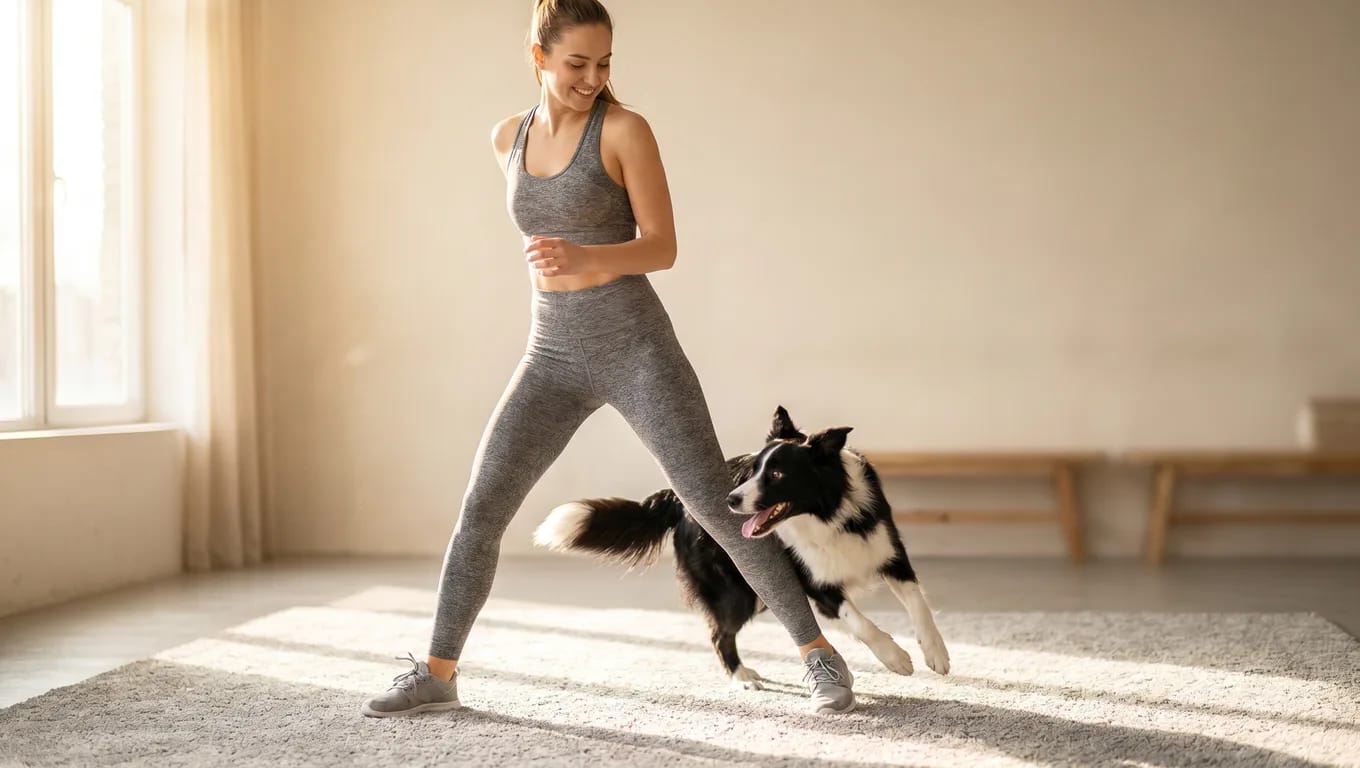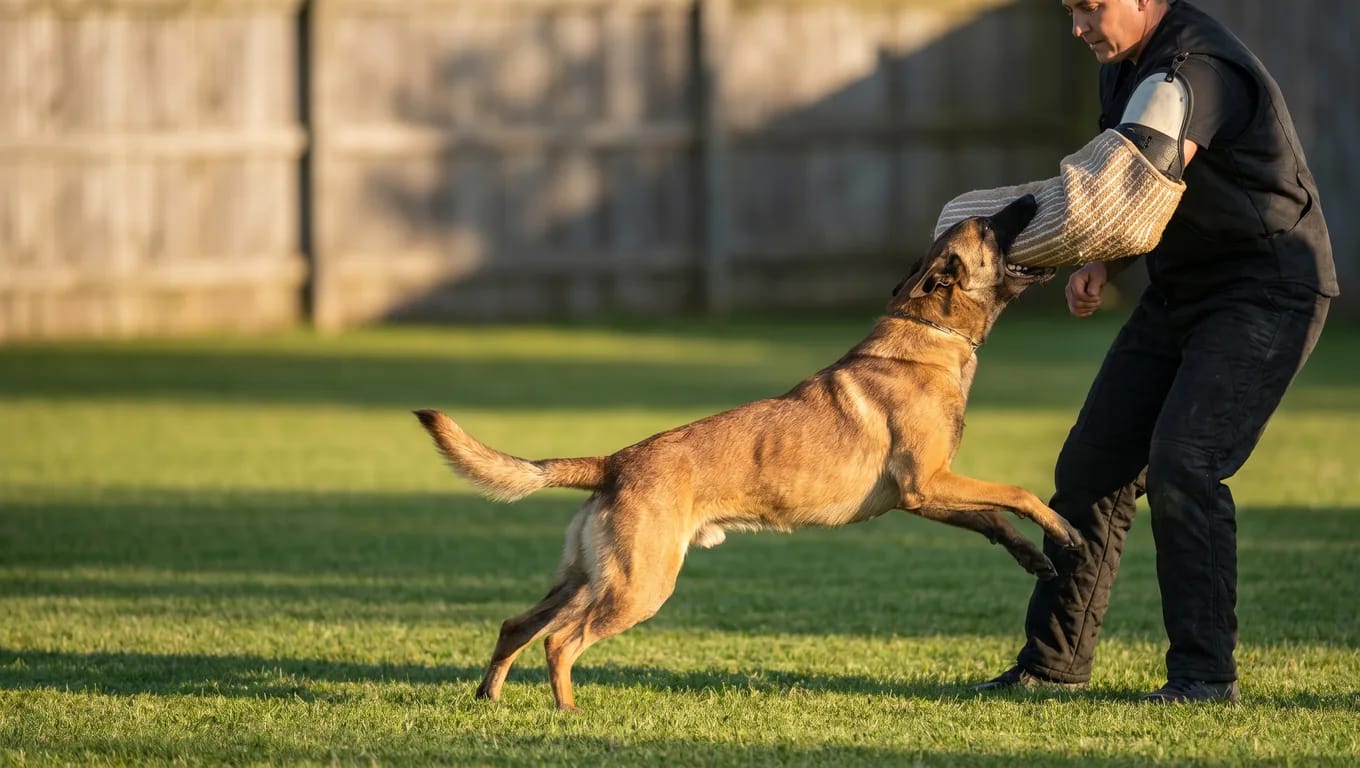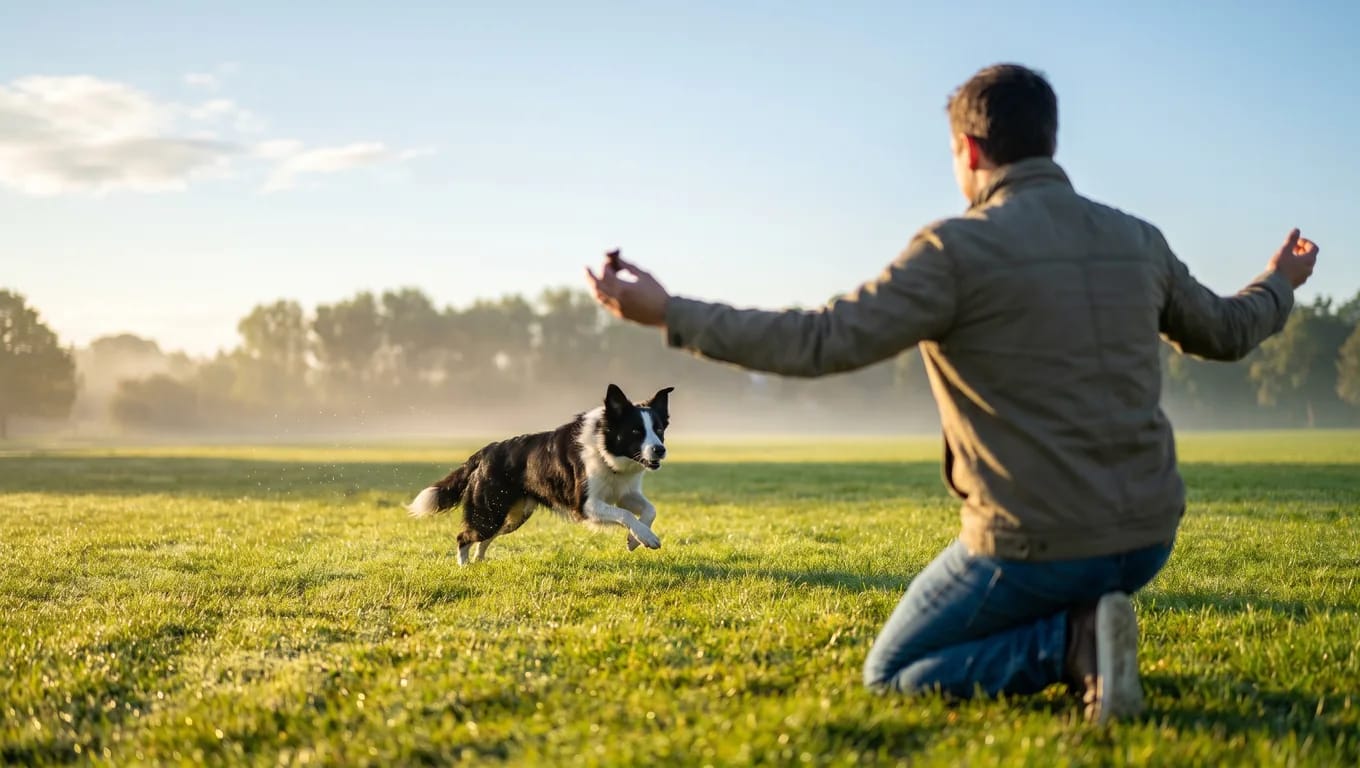
Watch a dog explode out of a start, clear a jump, and twist back through a set of weave poles, and you are watching dozens of muscles fire in a split-second sequence. You do not need a veterinary degree to train and care for an active dog, but a working picture of dog muscle anatomy changes how you warm up, condition, and spot trouble early. This guide maps the major muscle groups, zooms in on the parts that matter most for sport, and connects all of it to keeping your dog sound.
Why muscle anatomy matters for an active dog
Bones give a dog its frame, but muscle is the engine. Every stride, leap, and turn is muscle pulling on bone across a joint. For a sport or working dog, that engine is under real load, so two things follow. First, balanced, conditioned muscle protects the joints and reduces injury. Second, when something goes wrong, it usually shows up first as a subtle change in how a muscle moves or feels, long before a limp appears.
Knowing roughly where the big muscle groups sit, and what each one does, lets you warm them up properly, build them safely, and notice when one is sore or guarding.
The major dog muscle groups
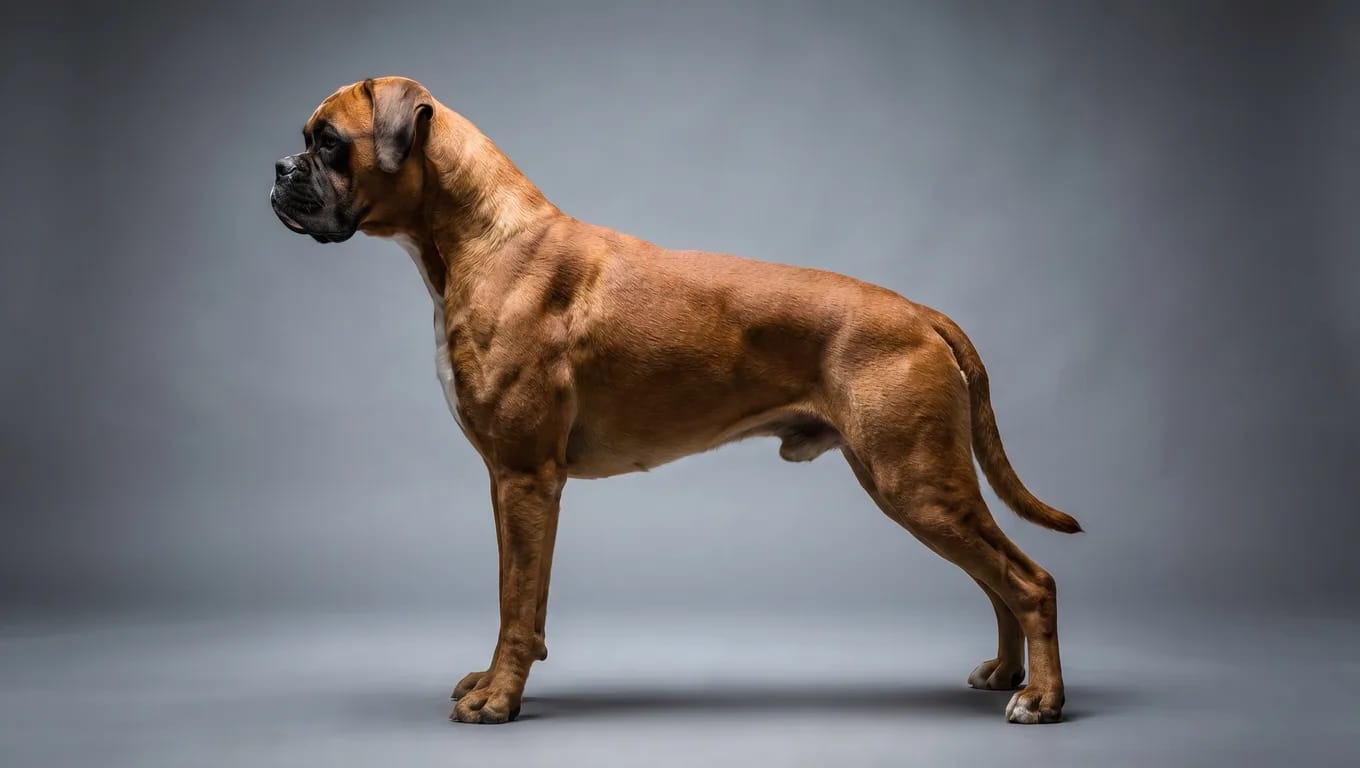
A dog's muscles fall into a few functional regions. You do not need every Latin name, just the map.
| Region | Key muscles (plain terms) | What it does |
|---|---|---|
| Forequarters | Shoulder and chest muscles | Absorb landing forces, reach the front legs forward |
| Neck and topline | Neck extensors, long back muscles | Carry the head, transmit power front to back, stabilize the spine |
| Core | Abdominals and deep trunk muscles | Stabilize the whole body, link front and rear drive |
| Hindquarters | Glutes, hamstrings, quadriceps, iliopsoas | Generate propulsion, the dog's main "push" |
The front end is mostly about support and shock absorption, since a dog carries around 60 percent of its weight over the forelimbs. The rear end is about power.
The hindquarters: where the power comes from
If you remember one region, make it the hindquarters. The glutes, hamstrings, and quadriceps are the big propulsion muscles that launch a dog into a jump or a sprint. Tucked deep where the spine meets the hip is the iliopsoas, a hip-flexor group that pulls the rear leg forward under the body. The iliopsoas matters far beyond its size: in active dogs it is one of the most commonly strained muscles, often from a slip, an awkward landing, or repetitive hard turns. A dog with a sore iliopsoas may shorten its stride, resist jumping, or react when you extend the hip.
Understanding dog hind leg anatomy and these muscles helps you see why warm-ups and controlled turns matter so much.
The core and topline
The core is the quiet hero. Strong abdominal and deep trunk muscles keep the spine stable so the powerful legs have a solid base to pull against. A weak core leaks power and lets the back take strain it was not built for. The long muscles along the topline carry the head and translate drive from the rear through to the front.
How muscle powers each kind of work
Different activities load different muscle groups:
- Sprinting and flyball lean hard on the hindquarters for repeated explosive starts.
- Agility demands rear drive plus core stability and forequarter shock absorption for tight turns and landings.
- Pulling sports like canicross and bikejoring build sustained hindquarter and core endurance.
- Scent work and tracking ask less of raw power but reward a comfortable, pain-free body that can work slowly for a long time.
Spotting a muscle problem early
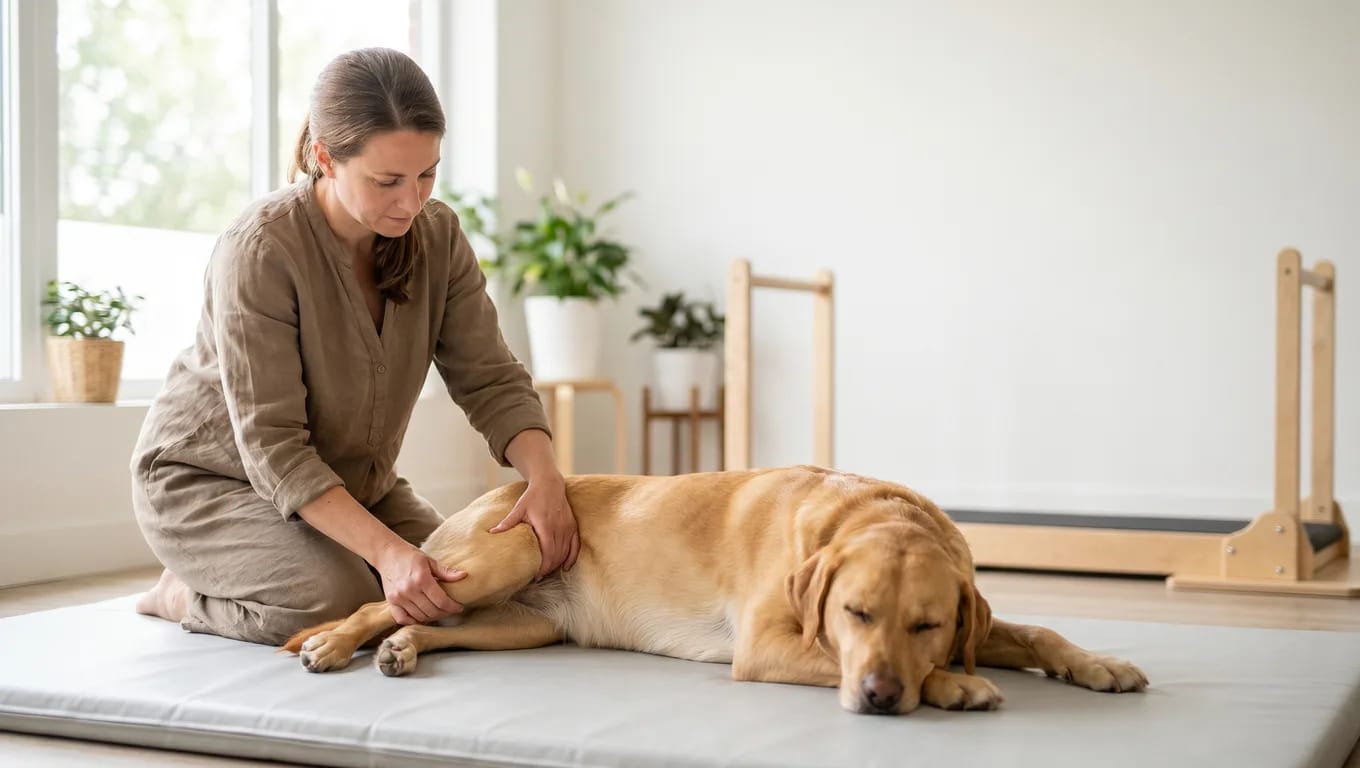
Because muscles tell on themselves before joints do, learn your dog's normal. Run your hands over the major groups when your dog is relaxed and note what is symmetrical and soft. Then watch for changes:
- A shortened stride, "bunny-hopping," or reluctance to jump
- Flinching, tensing, or moving away when you touch a specific area
- A muscle that feels harder, hotter, or more swollen on one side
- Slowing down or stopping in activities the dog used to love
Muscle and movement changes can also signal joint or neurological issues, and a strain can hide a more serious problem. This guide helps you observe, not diagnose. Anything persistent, painful, or sudden deserves a veterinary exam, ideally one comfortable with canine sports medicine.
Keeping those muscles strong
Healthy muscle is built, then maintained. Warm up before hard effort with a few minutes of brisk walking and easy movement, and cool down afterward. Add targeted canine conditioning to balance the body, especially core and rear-end strength, and keep your dog lean, since extra weight loads every muscle and joint. Recovery days matter as much as work days.
Want help building a safe, structured conditioning routine? You can find and book a canine fitness or conditioning class near you on Canlyo, and keep that engine strong for the work your dog loves.
You will never need to recite every muscle name, but a mental map of the forequarters, core, and that powerful rear end makes you a better training partner. You will warm up with purpose, build strength where it counts, and catch the small changes that keep a small niggle from becoming a real injury.